If you're exploring support for yourself or an autistic loved one, you may wonder: "What's the difference between coaching and therapy?" Well, both help people grow and overcome challenges, but they serve very different purposes.
At ASD Life Coaches, we often work alongside therapists, as part of the client's team, to provide practical, action-based guidance for daily life. Understanding how these two supports differ helps you choose the right combination for your goals.
Therapy vs. Coaching: A Quick Comparison
| Focus Area | Therapy | Coaching |
|---|---|---|
| Goal | Healing and understanding the why behind thoughts and behaviors | Building skills and creating action plans for the how of daily life |
| Approach | Reflective and insight-based | Forward-looking and solution-focused |
| Topics | Emotional processing, trauma, mental health, diagnosis | Executive functioning, independence, relationships, goals |
| Setting | Clinical | Collaborative and practical |
| Outcome | Emotional wellness | Functional independence and life success |
Therapy helps you process the past.
Coaching helps you build the future.
They go hand in hand.
What Autism Coaching Is (and Isn't)
Autism coaching is not therapy, counseling, or medical treatment. Instead, it's a structured partnership that focuses on doing, not just understanding.
Our coaches work with autistic adults to turn intentions into real-world action. Common coaching goals include:
- Strengthening executive functioning skills
- Building independence in daily routines
- Improving communication and social understanding
- Setting and achieving realistic goals
- Developing relationship and career readiness skills
Each session provides tools, structure, and accountability so that progress isn't left to chance.
When Therapy Is the Right Choice
Therapy is essential when someone is struggling with:
- Untreated anxiety, depression, trauma, or other mental health challenges
- Emotional distress or unresolved past experiences
- The need for diagnosis, assessment, or clinical treatment
Therapists are licensed mental health professionals who help clients process emotions and experiences. Coaching complements this by focusing on what to do next.
Many of our clients benefit from both therapy and coaching, sometimes even coordinating between the two for a seamless support system.
How Coaching Supports What's Learned in Therapy
One of the most powerful aspects of coaching is that it helps clients apply insights from therapy to real life.
For example:
Therapy
Helps someone understand why they avoid tasks.
Coaching
Helps them build a system to start tasks despite discomfort.
Together, therapy and coaching create a full-circle approach, with therapy healing the "inside" while coaching focuses on strengthening the "outside" skills that make daily life smoother.
A Real-World Example
CASE EXAMPLE
Jordan, an autistic 24-year-old, had been in therapy for years and made great progress with anxiety. But everyday routines, managing time, keeping up with chores, and handling work responsibilities, still felt overwhelming.
Through coaching, Jordan created structured weekly goals, learned time-management strategies, and gained confidence in decision-making. Therapy addressed the why. Coaching provided the how.
The Coaching Mindset: Strengths, Not Deficits
Coaching begins with the belief that every autistic adult has the ability to grow when given the right support and structure.
Rather than focusing on "fixing" deficits, coaches emphasize:
- Personal strengths
- Neurodiversity-affirming strategies
- Step-by-step skill development
- Empowerment and self-advocacy
This practical, forward-focused approach helps clients build confidence and independence over time.
How to Know Which Is Right for You
Here's a quick way to tell where to start:
If emotions, past experiences, or mental health struggles feel heavy → Therapy may be the right place to start.
If you're ready to take action on life goals, routines, or independence → Coaching is likely the best fit.
If both apply → Combine the two! Therapy and coaching often work best together.
In Summary
Therapy helps you understand and heal from the past. Coaching helps you apply those insights to build a successful future.
For autistic adults, combining both can create a powerful foundation for emotional wellness and everyday independence.
About the Author
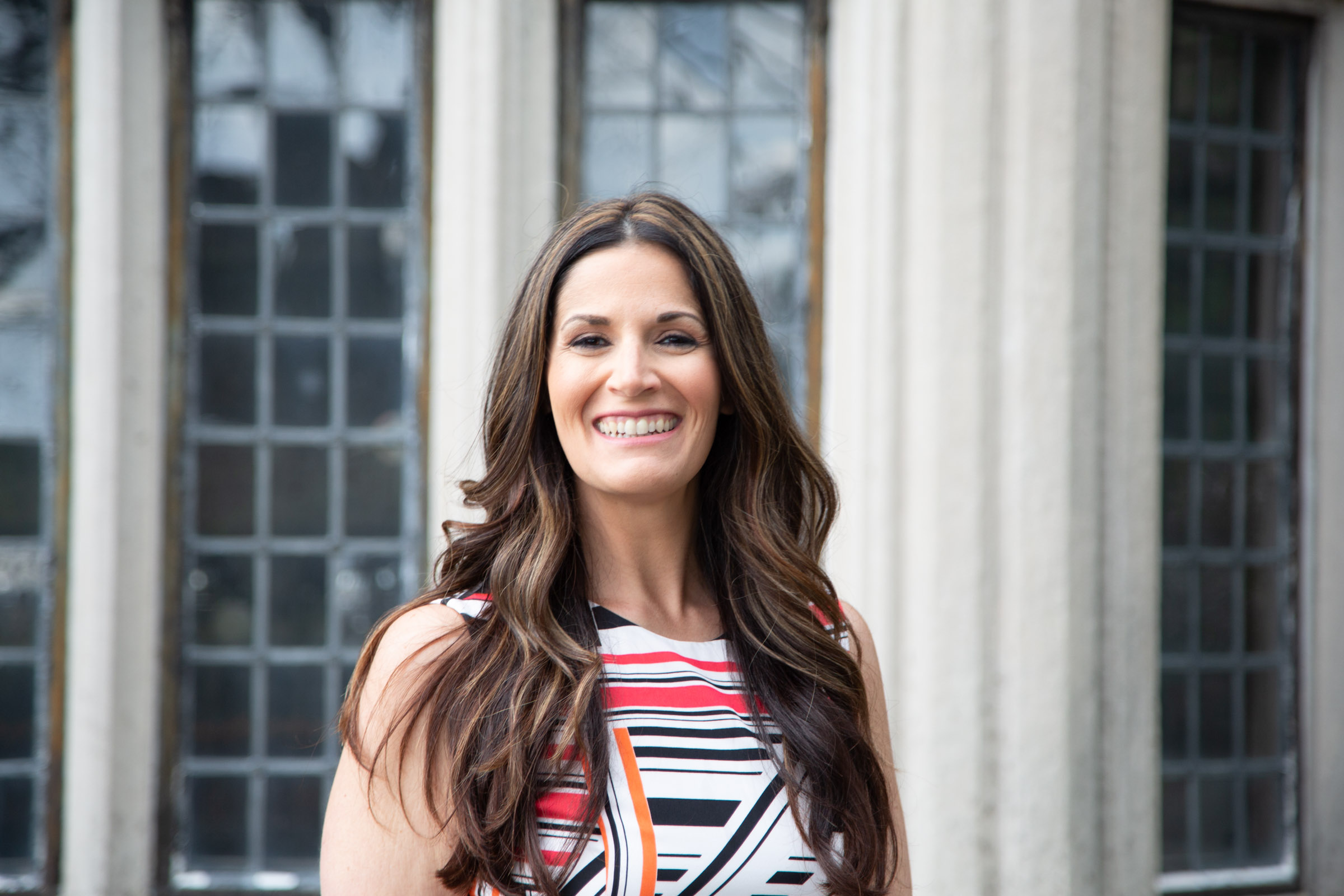
Jaclyn Hunt, ACAS
Jaclyn Hunt is the pioneer of autism life coaching and Head Coach at ASD Life Coaches. She has been coaching autistic and neurodivergent adults since 2013 and is the author of Life Coaching for Adults on the Autism Spectrum. Read full bio →
Wondering if coaching is the right fit? Book a free consultation and we'll help you figure out the best path forward.
Schedule Your Free ConsultationCurious whether coaching is right for you?
Schedule a free consultation to learn how coaching can complement therapy and help you build practical skills for everyday independence.
Or meet our coaches and explore our coaching services.
Related Articles
Why Life Coaching for Autism Spectrum Adults?
Discover how life coaching specifically addresses the unique needs of autistic adults.
What Does a Life Coach for Autistic Adults Actually Do?
Learn how autism life coaching empowers autistic adults to gain independence and achieve life goals.
How to Choose the Right Coach
Learn what to look for in a neurodivergent-focused coach and how to build a successful coaching relationship.