About Us
Life Coaches for Autism, ADHD & Neurodivergent Adults
Specialized autism life coaching for autistic adults and neurodivergent adults
Specialized autism life coaching for autistic adults and neurodivergent adults
We are a group of Cognitive Life Skills Coaches for Autistic Adults and anyone who is Neurodivergent.
We work on social and communication skills from the very basic up to the much more nuanced.
Relationship areas we cover:
We focus on building healthy, safe relationships from the ground up.
There is a big focus on life transitions, any life event that requires major changes in your routine.
Common transitions we support:
Executive Functioning Skills are the everyday life skills that keep your life running smoothly.
Skills we develop:
Some clients need assistance with all of these areas; others just need to focus on very specific skills.


Friends are people that we feel close and comfortable with. Acquaintances are people who we see on a frequent or not so frequent basis, but do not go beyond mere pleasantries.
How we help with friendships:
All relationships require work to maintain the bond. Sometimes this comes easily, and sometimes it does not. We can assist you in navigating these dynamics.
Both school and work require a certain degree of socialization. The environment of both is very similar, but compared to other relationships in life is very different, there are social boundaries that must be learned and followed.
What we teach:
The majority of the population learns these skills by observation. We believe that those with special needs think and learn differently, and we can teach you how.
All individuals belong to communities. As human beings we are social creatures that require a social environment in order to survive, not just physically, but mentally as well.
Examples of everyday communities:
Communities are part of our every day life, and we need others in order to survive. It is important to be able to assimilate into a community, to fit in properly so that the community continues to function in a productive way.
How we help with community integration:

Take the first step towards meaningful change and personal growth. Our experienced team is here to support you every step of the way.
What happens when a child on the Autism Spectrum becomes an adult? Where do children with special needs go after they graduate high school? There are very few services for adults with special needs in the world today. Getting older doesn't necessarily mean life struggles become any easier. We are here to change that.
Areas of concentration include:
Who reaches out to us:
We find that changing the way a parent communicates with their child is crucial in that child's development, as well as the parent's.
Special needs children think, learn, and communicate differently from the typical child. It is important for both parent and child to learn to speak each other's language.
What we do:
Special needs children understand the world differently, much like a deaf child understands the world differently from the majority of the population.
Siblings of special needs family members face unique dynamics that can create complex emotional situations.
Common challenges we address:
We discuss and encourage a balance where everyone's needs can be met in an effective and satisfying way.
Romantic relationships are very complicated and require a great deal of energy, time, and effort, magnified for a person with special needs.
How we help couples:
This can be a slow process, but one that is definitely worth pursuing.

ASD Life Coaches was formed after the great need for coaching services for Autistic Adults was discovered.
We believe the future for those on the spectrum and with other diagnoses comes in the form of real life skills training in every aspect of social life, from school to career to personal life and relationships.
Life Coaching because real life is much more than just academics!

We create a plan that is individualized for each client's needs. We do not offer a one-size-fits-all approach, we develop a custom plan for every individual that reaches out to us.
Who we work with:
As one of the biggest and longest running coaching practices specializing in neurodivergence, you can feel confident that we can meet your needs. Our team is highly trained and the best in the world.
Contact us for a complimentary consultation so that we can see if coaching is right for you and pair you with the right coach. We are very much looking forward to meeting you!
Understanding the difference helps you choose the right support for your needs.
| Aspect | Life Coaching | Therapy |
|---|---|---|
| Primary Focus | Skill building and specific goals | Emotional healing and processing |
| Approach | Forward-looking, action-oriented | Explores past experiences and emotions |
| Outcome | Forming paths to success with practical skills | Emotional well-being and self-understanding |
| Process | Fun, engaging, and productive | Clinical and reflective |
| Client Role | Active participant in setting and achieving goals | Patient guided through therapeutic techniques |
Every client of ASD Life Coaches deserves to live up to his or her greatest potential. We strive to identify that potential and create plans of action to see it through. While coaching can have emotional aspects, we work mainly on skills and forming paths to success.
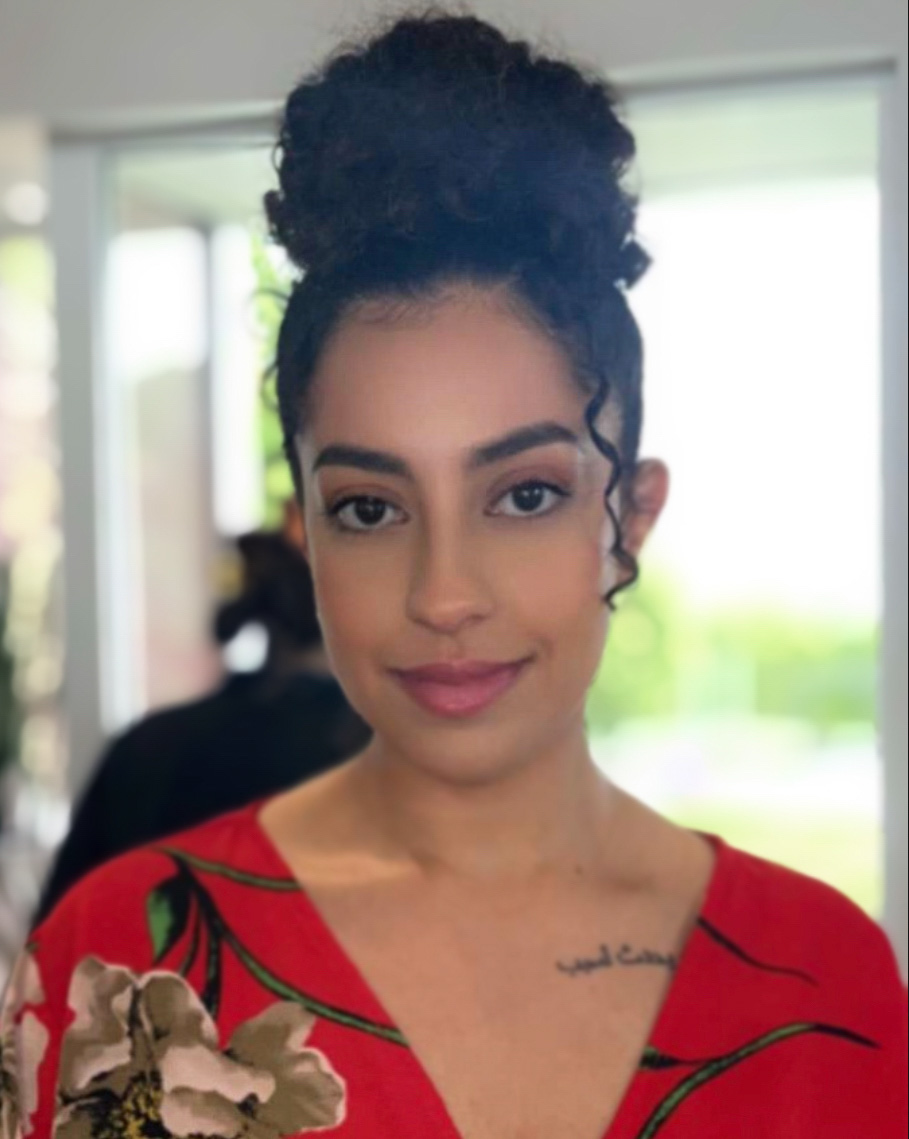
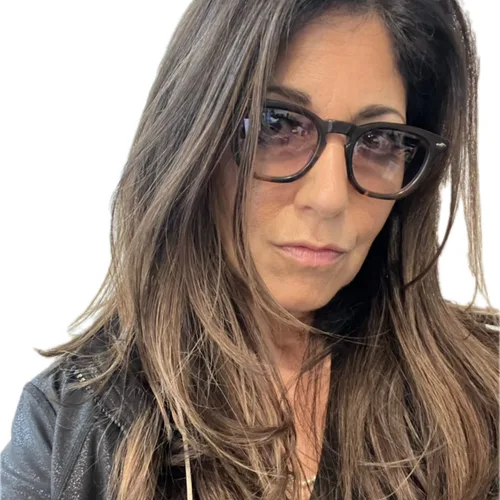
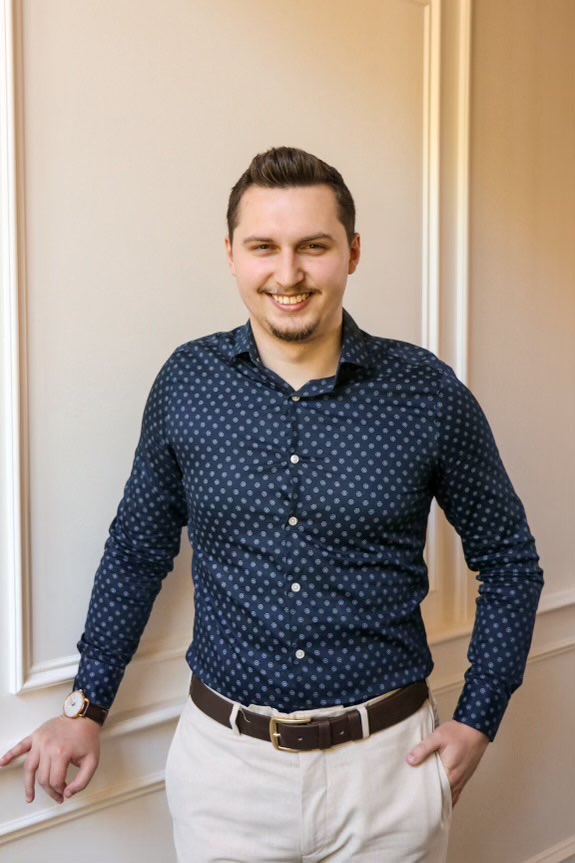
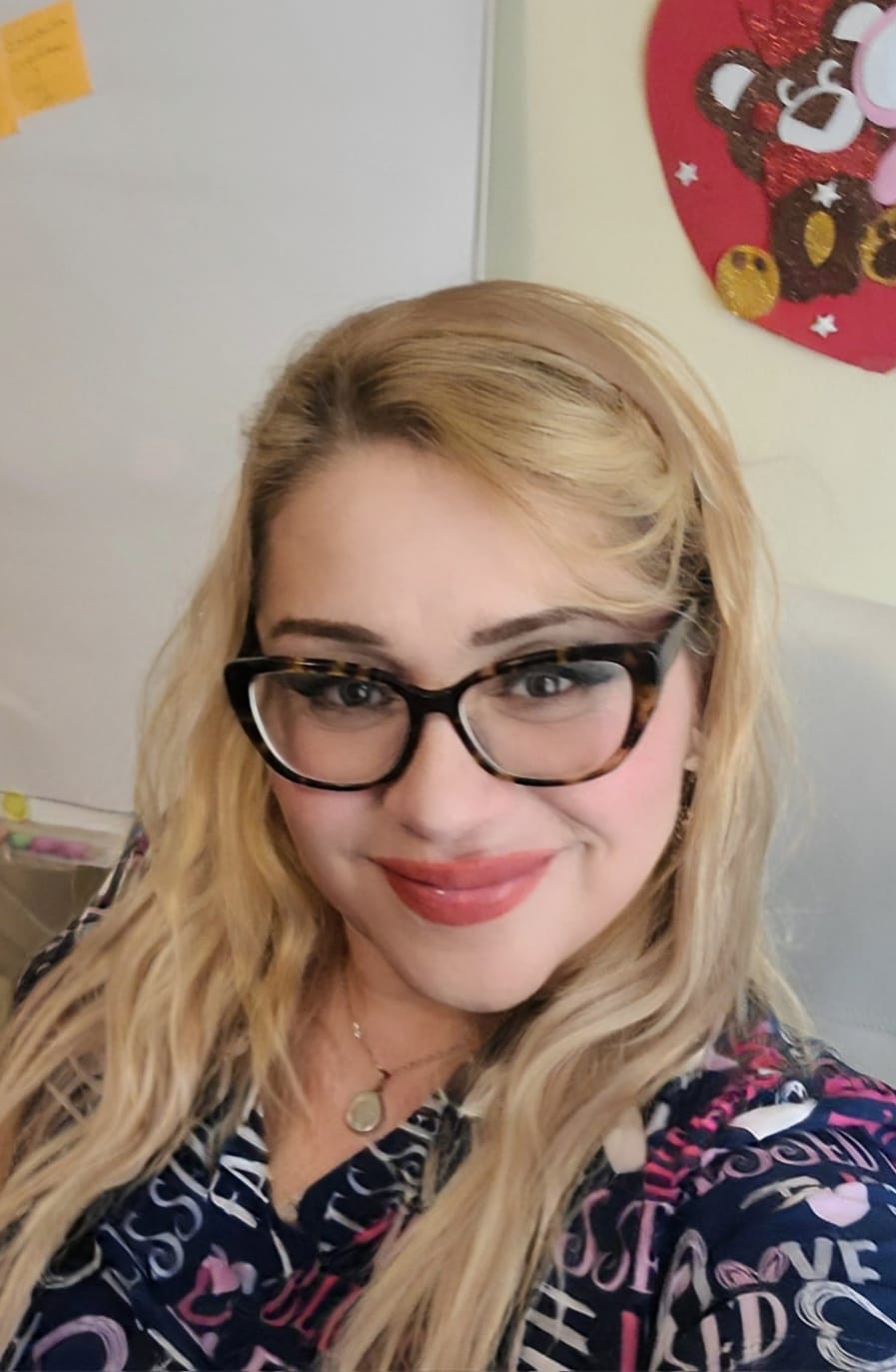
Get to know the certified coaches behind ASD Life Coaches. Explore each profile to find the right fit for you.
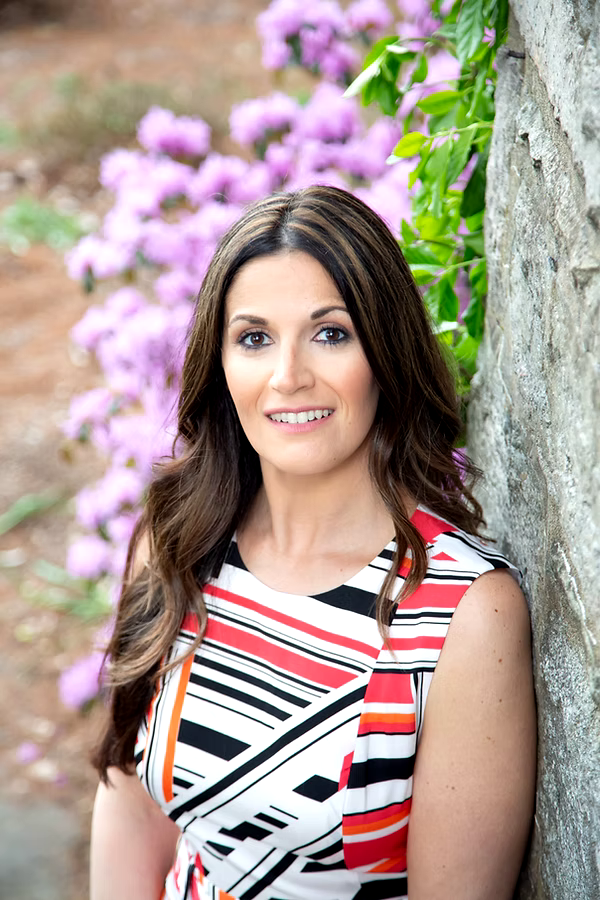
Owner & Head Coach

Senior Coach
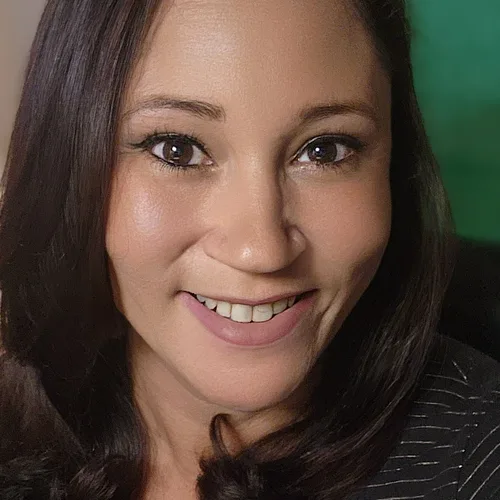
Senior Coach
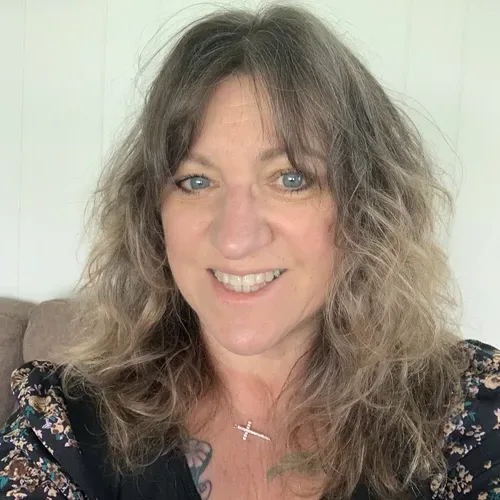
Senior Coach
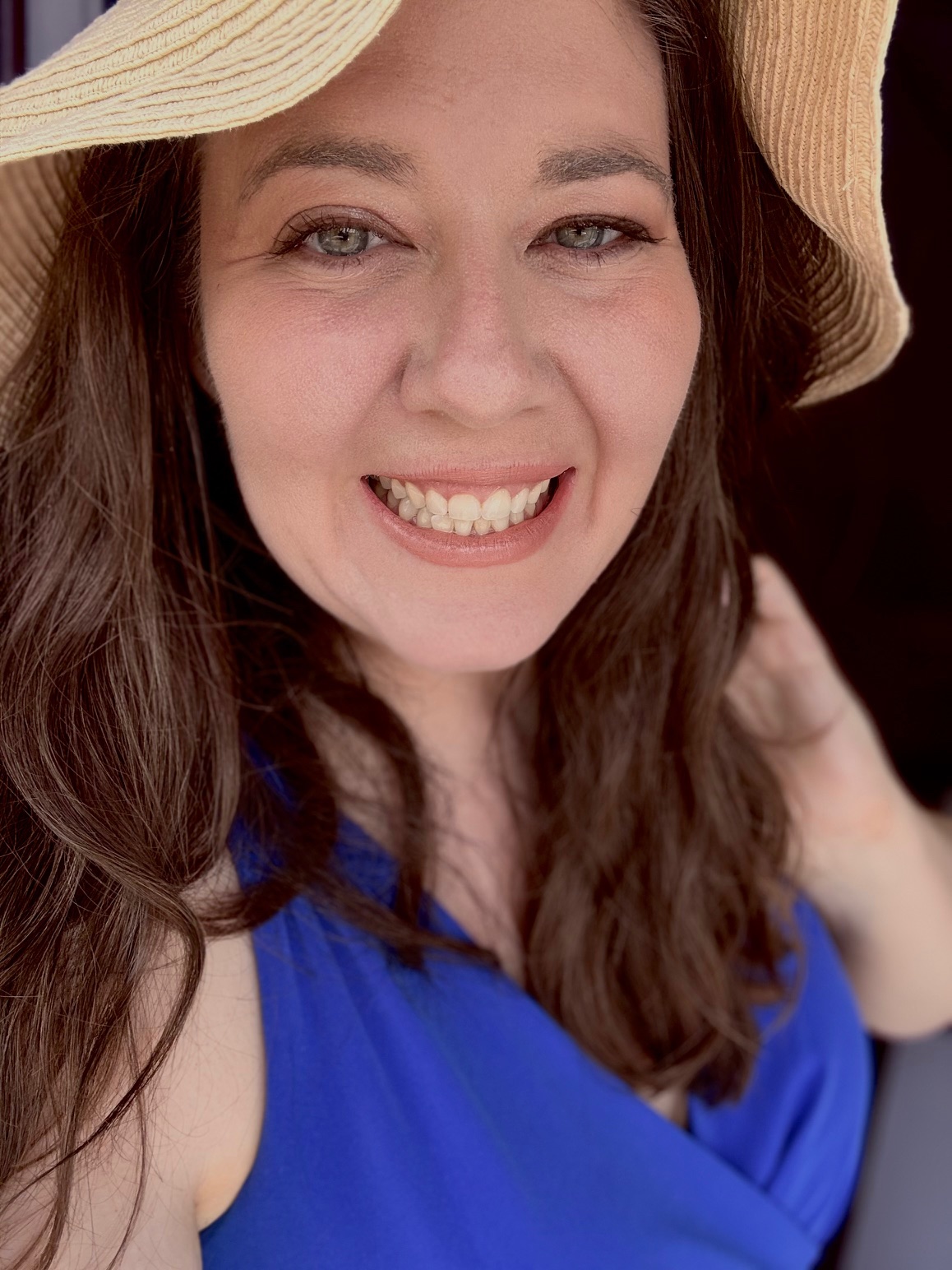
Senior Coach
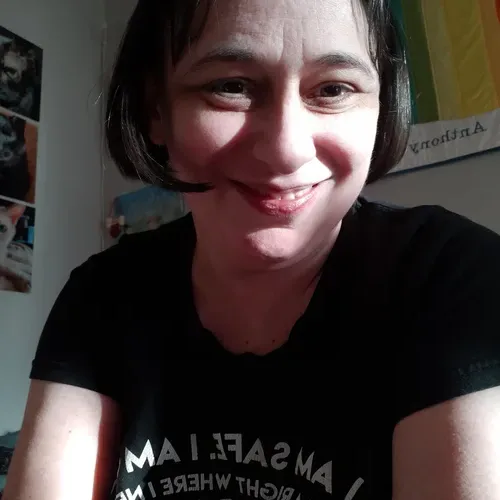
Senior Coach
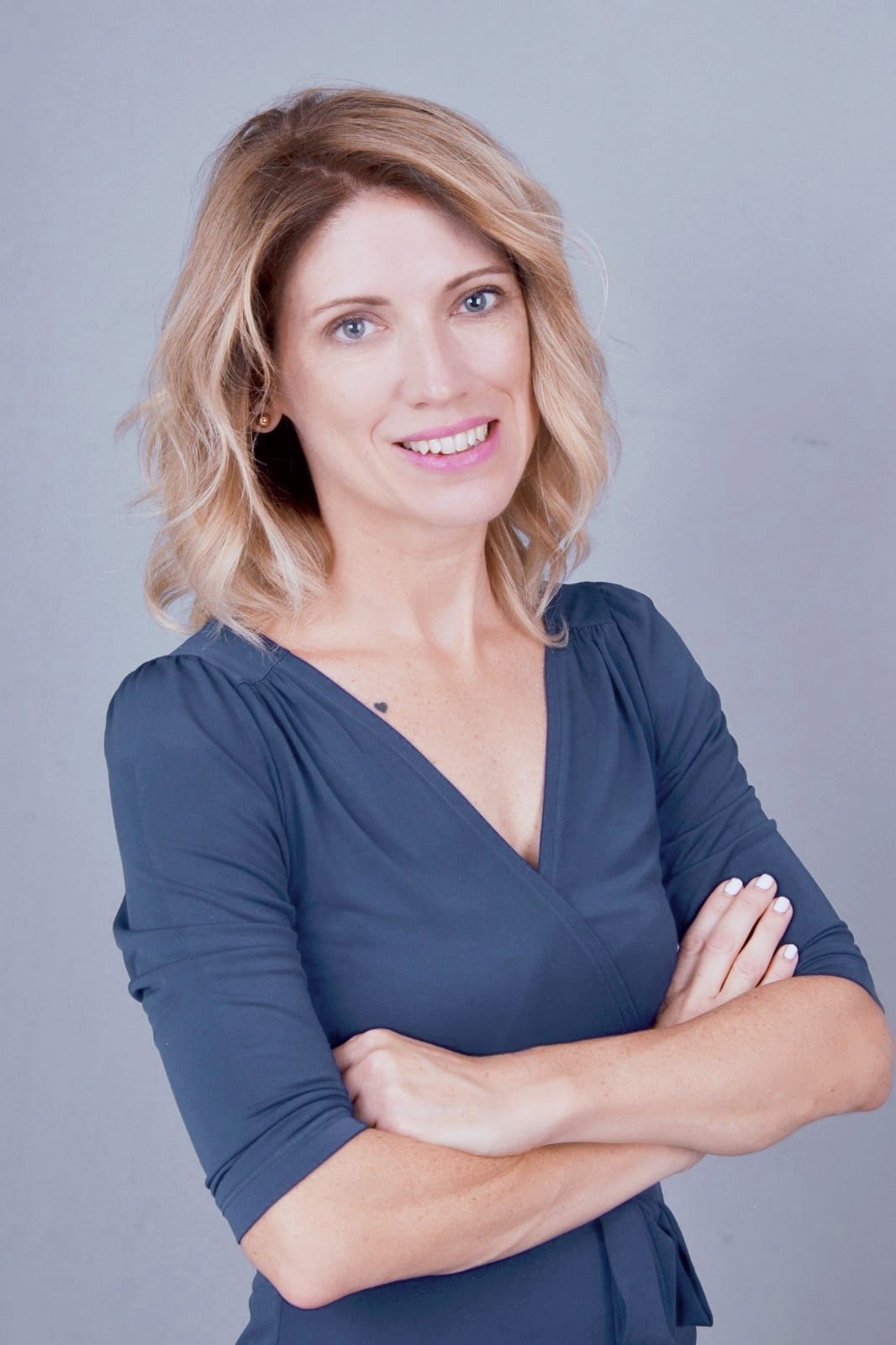
Coach
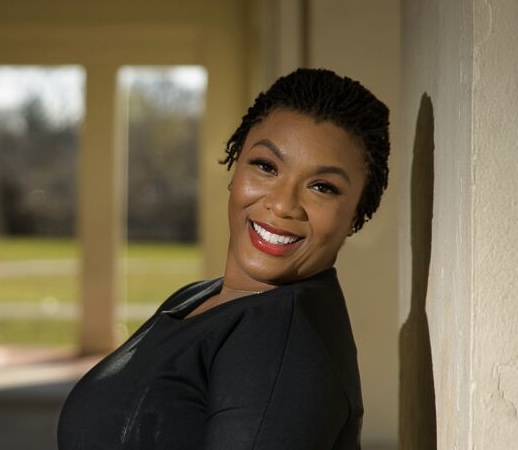
Coach
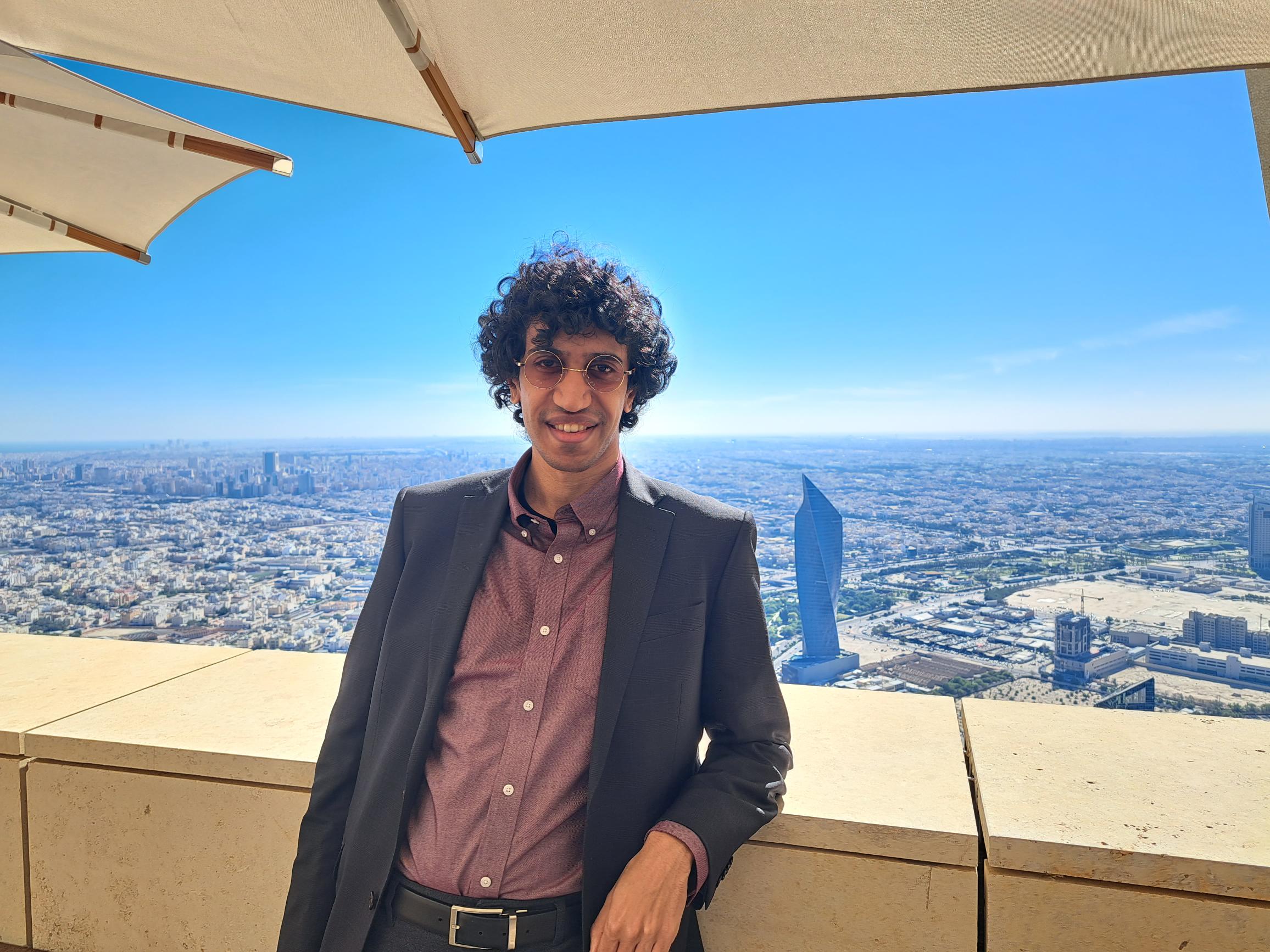
Coach
Coach
Coach

Coach
Coach
Coach
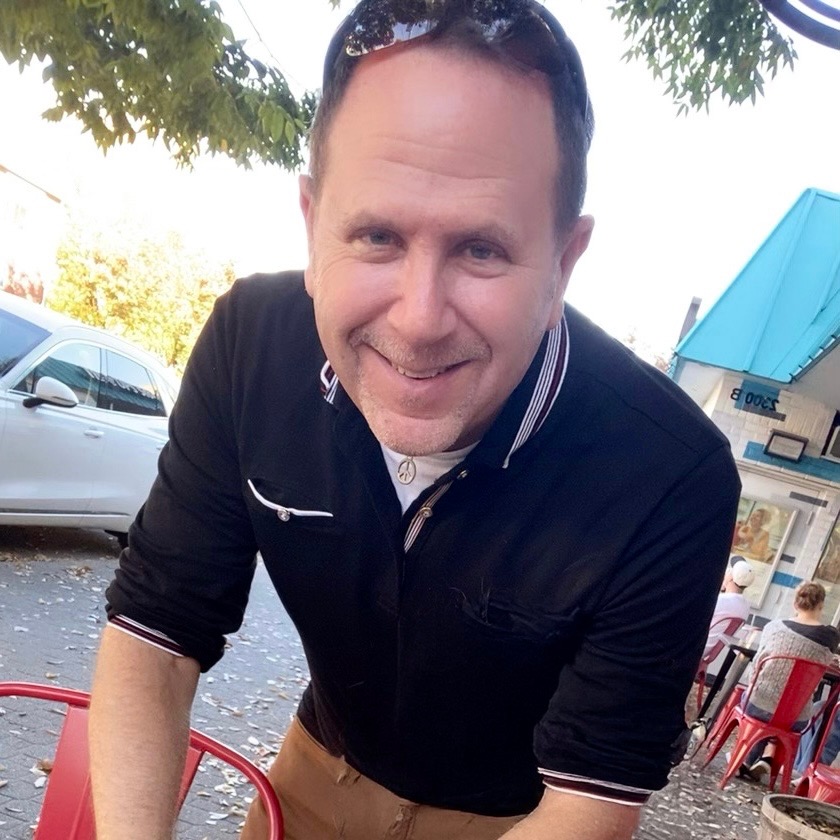
Coach
Practical guidance and insights on autism life coaching, executive functioning, funding, and independent living.
Sign up for a complimentary consultation
Contact us for more information today!