Cassandra Syndrome in Neurodiverse Relationships: Compassion for the NT Partner, Affirmation for the Autistic Partner
When couples come to me at ASD Life Coaches for support in their neurodiverse relationship, both partners are almost always hurting. Often both partners feel misunderstood. Both feel lonely in their own way. And both are usually trying to bridge a communication gap that neither created and neither knows how to close.
Among neurotypical partners, one of the most common emotional experiences I hear about is Cassandra Syndrome, sometimes referred to as Ongoing Traumatic Relationship Syndrome (OTRS). For neurotypical individuals, especially those who have gone months or years feeling unseen or unheard, the emotional toll can be profound. Many describe symptoms very similar to complex PTSD, hypervigilance, emotional exhaustion, fear of further invalidation, and a deep sense of being invisible.
At the same time, it is equally important to affirm and protect the autistic partner, who is so often misrepresented, pathologized, or blamed in these situations. Autistic adults experience their own trauma from chronic misunderstanding, social pressure, sensory strain, and masking.
Cassandra Syndrome is real, the pain of the neurotypical partner is valid, and the autistic partner is not the enemy. This blog aims to hold compassion for both.
What Is Cassandra Syndrome? A Painful Reality, Not a Character Judgement
Cassandra Syndrome describes the experience of feeling dismissed, unheard, or emotionally abandoned despite telling the truth about one's needs or suffering. In neurodiverse relationships, a neurotypical partner may feel:
- "I'm telling you I'm hurting, but you don't seem to understand."
- "I feel emotionally alone."
- "I love you, but I don't feel connected."
- "It seems like my feelings never register."
- "I'm not being believed or validated."
Over time, this emotional disconnect can accumulate into something that resembles complex PTSD. The NT partner may become hyper-attuned to signs of disconnect, withdraw from emotional intimacy, or feel anxious whenever communication breaks down.
Importantly, Cassandra Syndrome is a description of the NT experience, not a statement about the autistic partner's intentions or character.
The autistic partner is not withholding empathy. They are not ignoring emotional needs. They are not choosing to be unresponsive.
Instead, they are often navigating challenges involving:
- Processing speed differences
- Alexithymia (difficulty identifying or describing emotions)
- Sensory overwhelm
- Social-cognitive differences
- Fear of making mistakes
- Trauma from a lifetime of invalidation
These challenges make communication difficult, but they do not make love impossible. Understanding this distinction is the first step toward healing for both partners.
Why NT Partners Hurt So Deeply: The Invisible Emotional Labor
Many neurotypical partners describe performing constant emotional labor in the relationship:
- Interpreting meanings
- Anticipating needs
- Avoiding conflict
- Trying to decode communication
- Buffering social interactions
- Glossing over misunderstandings
"I feel like I'm carrying the relationship."
"I feel like I have to teach everything."
"I love them, but I'm depleted."
From their perspective, they're giving and giving with little emotional reciprocity. Without proper tools and support, this emptiness can become painful, triggering feelings of hopelessness or resentment.
They are not dramatic. They are not "nagging." They are not overreacting. They are traumatized, in their own way, by chronic misunderstanding.
Why Autistic Partners Are Often Misjudged: The Other Side of the Pain
While validating the neurotypical partner's pain, we must equally protect the autistic partner from harmful stereotypes. Autistic adults in relationships often feel:
- "No matter what I do, I'm wrong."
- "I'm trying but I just can't get it right."
- "I feel attacked for things I don't understand."
- "I'm overwhelmed and shutting down, not ignoring you."
- "I need clarity, not accusations."
Autistic partners may show love through:
- Acts of service
- Loyalty
- Shared routines
- Problem-solving
- Physical closeness
- Providing stability
But because these expressions don't always match NT expectations for emotional intimacy, their love can go unnoticed. Autistic partners are not indifferent, cold, or uncaring. They are often overwhelmed, confused, or afraid of failing.
The Harm of Blame-Based Models
A major reason Cassandra Syndrome discussions become harmful is that many online spaces blame autism itself. Some partners are told:
- "Autistic people can't feel empathy."
- "Your partner is incapable of connection."
- "You should leave because they'll never change."
These narratives are not only false, they are extremely damaging. Autistic adults absolutely can love deeply, learn emotional communication, and build strong, supportive relationships. But they need understanding, education, and tools, not shame.
Blame-based models pit partners against each other. Neuro-affirming models bring them together.
A Compassionate, Balanced View: Two Nervous Systems Trying to Connect
At ASD Life Coaches, I teach couples to view their relationship through a dual-lens framework:
For the NT Partner
- Your pain is real.
- Your exhaustion is real.
- Your emotional needs matter deeply.
- Feeling unheard creates genuine trauma.
- You deserve support, validation, and healing.
For the Autistic Partner
- Your intentions are real.
- Your love is real.
- Your challenges do not make you defective.
- You deserve understanding, patience, and accommodations.
- You also deserve to feel safe, not blamed.
When both perspectives are honored, the relationship becomes a place of growth rather than guilt.
Where Healing Begins: Strategies for Both Partners
1. Name the Differences Without Blame
Instead of "You don't care," try:
"We process emotions differently, and it leaves me feeling disconnected."
This opens dialogue rather than triggering shame.
2. Create Clear Communication Routines
Autistic partners thrive with structure; NT partners thrive with emotional connection. Combining both may include:
- Scheduled check-ins
- Literal language
- Shared definitions of emotions
- Clarity about expectations
- Predictable routines for conflict resolution
3. Support the NT Partner's Trauma Recovery
This may involve therapy, boundaries, and building a support system outside the relationship. Their healing matters.
4. Support the Autistic Partner's Processing Needs
Allow time for breaks, decompression, or written communication. Respect shutdowns, clarify emotional signals, and reduce sensory overload during conflict.
5. Learn Each Partner's Love Language in Neurodiverse Terms
Many autistic partners show love through stability and presence. Many NT partners need verbal reassurance and emotional reciprocity.
Both can meet in the middle with guidance.
A Hopeful Truth: Neurodiverse Relationships Can Thrive
I have seen countless couples transform their connection once they understand their neurological and emotional differences. Not by forcing the autistic partner to behave "neurotypically." Not by forcing the neurotypical partner to suppress their needs. But by giving both partners tools, compassion, and a shared language.
Cassandra Syndrome is not a sign that the relationship is doomed. It is a sign that support is needed. And with the right support, healing is absolutely possible.
Key Takeaways
- Cassandra Syndrome is real, the NT partner's pain is valid
- The autistic partner is not the enemy, they love differently
- Blame-based models harm both partners, neuro-affirming models heal
- Healing begins with understanding, clear communication, and compassion
- Neurodiverse relationships can absolutely thrive with the right support
About the Author
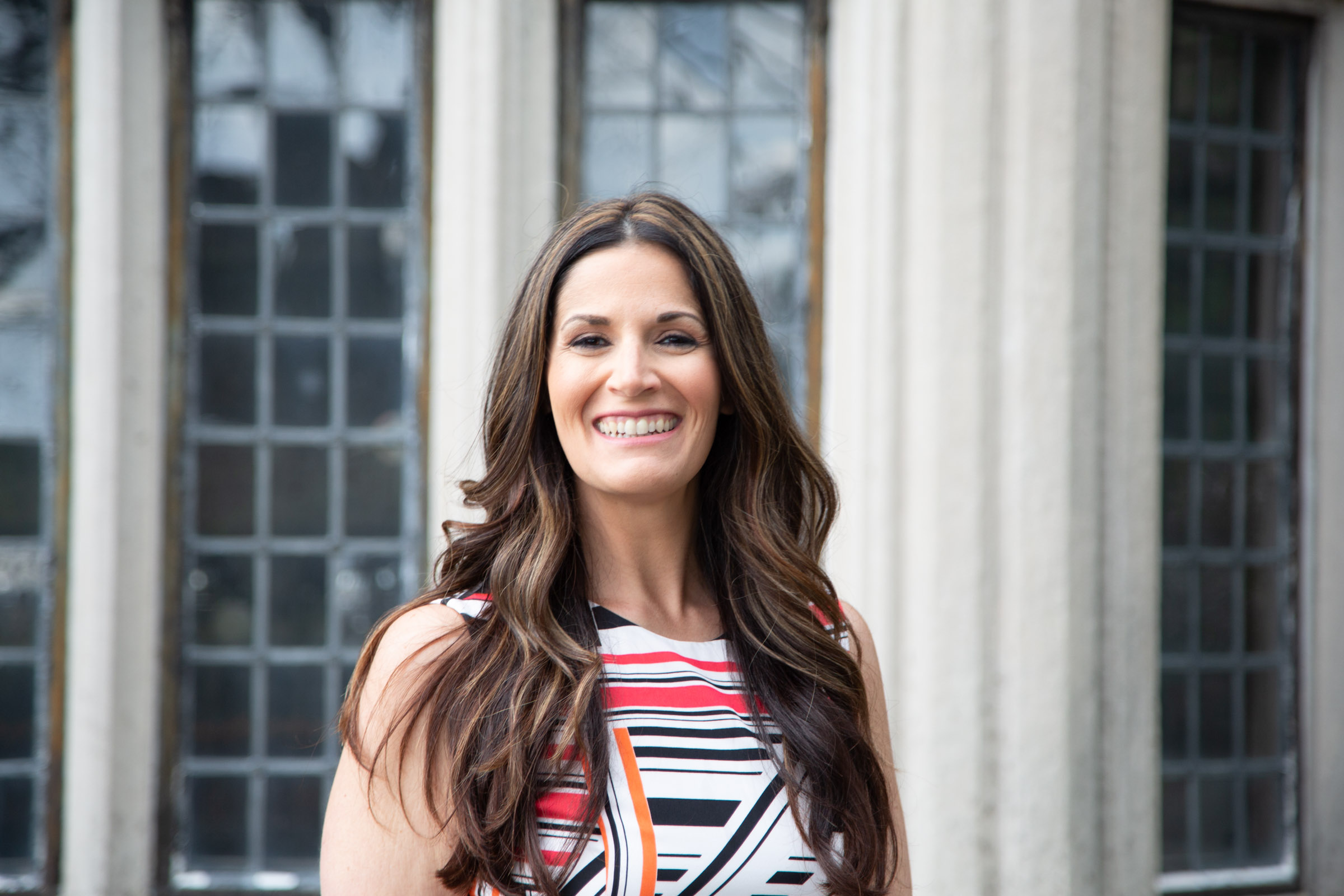
Jaclyn Hunt, ACAS
Jaclyn Hunt is the pioneer of autism life coaching and Head Coach at ASD Life Coaches. She has been coaching autistic and neurodivergent adults since 2013 and is the author of Life Coaching for Adults on the Autism Spectrum. Read full bio →
Couples coaching can help bridge the communication gap in neurodiverse relationships. We work with both partners.
Schedule Your Free ConsultationStruggling in a neurodiverse relationship?
Our coaches work with both autistic and neurotypical partners to improve communication, rebuild connection, and develop mutual understanding.
Or meet our coaches and explore our coaching services.