Can Coaching Help Autistic Adults Live Independently?
For many autistic adults, independence isn't about "doing it all alone." Instead, it's about building the skills, confidence, and structure to live life on your own terms. Yet for many families, that transition from dependence to a more autonomous lifestyle can feel uncertain and full of obstacles.
The good news is, independence is not an all-or-nothing goal but rather a process. And with the right kind of support, it's absolutely achievable.
That's where autism life coaching comes in.
What Independence Really Means for Autistic Adults
Independence looks different for everyone. For some, it's managing daily routines or cooking simple meals. For others, it's holding a steady job, paying bills, or navigating relationships.
At ASD Life Coaches, we define independence as the ability to:
- •Make choices aligned with your values
- •Manage daily responsibilities with confidence
- •Communicate needs and boundaries effectively
- •Problem-solve when challenges arise
- •Feel ownership over your progress and goals
True independence isn't about eliminating support. It's about having the right kind of support that builds self-reliance and interdependence over time.
Why Independence Can Feel So Hard
Many autistic adults want more independence but don't always have the structure, tools, or guidance to get there. Common challenges include:
- •Executive functioning difficulties, trouble with organization, time management, and planning
- •Anxiety or perfectionism, fear of mistakes can stop progress
- •Overwhelm, too many steps at once leads to shutdown or avoidance
- •Limited practice opportunities, real-world learning happens best with guided support
Without someone to help break big goals into manageable steps, it's easy to feel stuck or dependent even when motivation is strong.
How Coaching Builds Independent Living Skills
Autism coaching helps turn "I want to be independent" into a personalized plan with clear action steps. Coaches work collaboratively with clients to identify what independence means for you and teach the executive functioning skills needed to make it happen.
Coaching may focus on:
- •Time management: Creating daily routines and learning how to follow them
- •Organization: Keeping living spaces and responsibilities manageable
- •Self-advocacy: Communicating needs at home, work, or in relationships
- •Decision-making: Learning to choose confidently and adapt when needed
- •Emotional regulation: Recognizing overwhelm and using calming strategies
Each session builds on progress from the last, helping clients gradually move from external guidance to self-directed growth.
How Parents Can Support the Process
Parents often walk a delicate line between wanting to help and wanting to step back. Coaching creates a healthy structure where parents can shift from being the "manager" to being a supporter on the sidelines.
Ways parents can help:
- •Encourage practice, not perfection
- •Celebrate small steps toward independence
- •Ask curiosity-based questions instead of giving instructions
- •Trust the coaching process because growth takes time and consistency
When parents, coaches, and clients work as a team, independence feels less like a leap and more like a steady climb towards success.
Real-World Progress: From Overwhelmed to Empowered
Case Example:
Jamie, a 23-year-old autistic adult, wanted to move out but struggled to keep track of bills, groceries, and cleaning routines. Through coaching, Jamie created a personalized system for weekly planning, practiced self-reminders, and learned to problem-solve when things didn't go perfectly.
Six months later, Jamie moved into an apartment and now manages daily life with minimal support. The key wasn't a single breakthrough but rather it was consistent structure, accountability, and encouragement that got him there.
Why Coaching Works When Other Supports Don't
Therapy, school supports, and family guidance all have important roles but coaching uniquely focuses on implementation. It turns strategies into habits through real-world practice.
Because coaching is action-based and individualized, it meets clients exactly where they are and adapts as they grow. That's why progress made through coaching tends to stick.
Independence Is a Journey, Not a Destination
Autism coaching helps transform independence from a stressful expectation into an achievable, empowering process. Every skill learned builds confidence and confidence builds the foundation for greater autonomy.
Whether the goal is managing daily tasks, navigating work, or simply feeling more capable, coaching offers a structured, compassionate path forward.
In Summary
Coaching helps autistic adults live more independently by teaching essential life skills, supporting accountability, and creating a safe space to learn through experience. With patience, structure, and the right guidance, independence becomes possible, one achievable step at a time.
About the Author
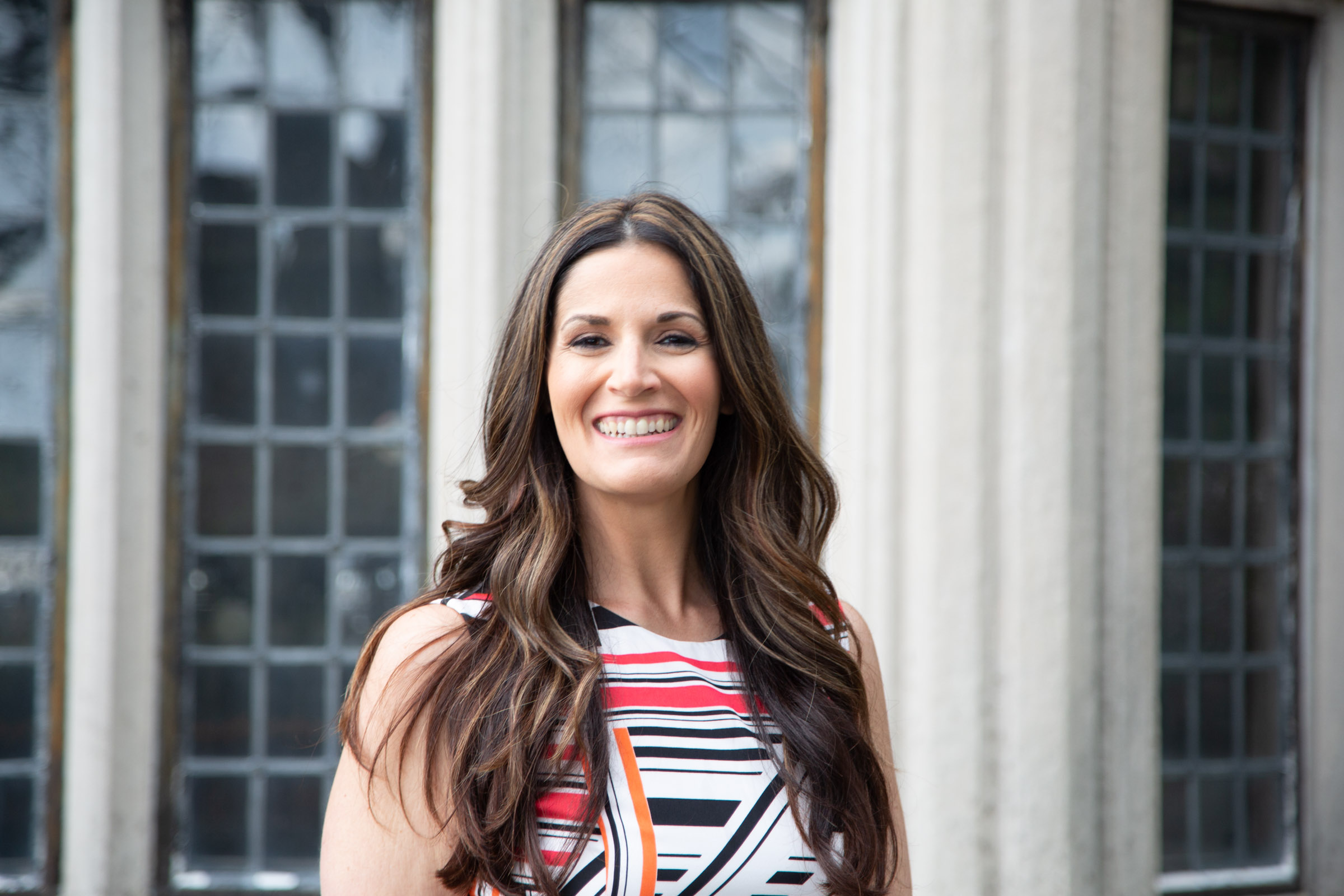
Jaclyn Hunt, ACAS
Jaclyn Hunt is the pioneer of autism life coaching and Head Coach at ASD Life Coaches. She has been coaching autistic and neurodivergent adults since 2013 and is the author of Life Coaching for Adults on the Autism Spectrum. Read full bio →
Our coaches help autistic adults build the practical skills they need for greater independence. Every plan is personalized.
Schedule Your Free ConsultationWant to build more independence?
Our coaches create individualized plans to help autistic adults develop executive functioning, daily living skills, and self-confidence.
Or meet our coaches and explore our coaching services.
Related Articles
What Does a Life Coach for Autistic Adults Actually Do?
Learn how autism life coaching empowers autistic adults to gain independence and achieve life goals.
Why Do Autistic Adults Struggle with Executive Functioning?
Learn about executive functioning challenges in autism and how targeted coaching builds lasting skills.
5 Budgeting Systems That Actually Work for Autistic Adults
Practical budgeting strategies designed for how autistic brains process finances and manage money.