Transitioning from College to Career: A Roadmap for Autistic Graduates
Graduating from college represents a monumental achievement for any student, but for autistic graduates, the transition from the structured academic environment to the professional world can present unique challenges and opportunities. While college offers predictable schedules, clear expectations, and established support systems, the career landscape often feels less defined and more socially complex. This roadmap is designed to help autistic graduates navigate this transition with confidence, leveraging their strengths while developing strategies to address potential obstacles.
The college-to-career transition involves more than just changing your daily location. In college, success is often measured through concrete metrics like grades and completed assignments, with clear syllabi outlining expectations. The professional world, however, operates differently. Workplace expectations may be more implicit, social dynamics play a larger role, and success can be measured in more subjective ways.
For autistic individuals, this shift can be particularly challenging. The sensory environment might change dramatically, from quiet libraries to bustling open-plan offices. Social expectations may become less structured, with networking events and informal conversations replacing organized study groups. Understanding these differences upfront allows you to prepare strategically rather than being caught off guard.
Identifying Your Strengths and Preferences
Before diving into job applications, take time for thoughtful self-assessment. Autistic individuals often possess remarkable strengths that are highly valued in the workplace: attention to detail, pattern recognition, deep focus, systematic thinking, reliability, and specialized expertise in areas of interest. These qualities can be tremendous assets in the right role.
Consider what energizes you versus what drains you. Do you thrive with routine or variety? Do you prefer working independently or as part of a team? What sensory environments help you perform your best? Are there specific subjects or tasks where you experience hyperfocus in a productive way? Understanding these preferences helps you target positions where you're most likely to succeed and find fulfillment.
Additionally, reflect on the accommodations or environmental factors that supported your success in college. Did you benefit from extended time on assignments? Quiet workspaces? Clear written instructions? Knowing what works for you makes it easier to identify employers and roles that naturally align with your needs or to request appropriate accommodations.
Exploring Career Paths Aligned with Your Interests
Many autistic individuals have intense, focused interests that can translate beautifully into career paths. Whether your passion lies in technology, research, art, analysis, engineering, or any other field, there are likely career options that align with what genuinely captivates you.
Research industries and specific roles that match your interests and strengths. Look beyond job titles to understand what the day-to-day work actually involves. Information technology, data analysis, scientific research, library science, accounting, quality assurance, technical writing, and various engineering fields are examples of careers where autistic professionals often excel, though opportunities certainly aren't limited to these areas.
Consider informational interviews with professionals in fields that interest you. These conversations can provide insider perspectives on what the work truly entails, helping you make informed decisions. Many professionals are willing to share their experiences, especially if you approach them with specific, thoughtful questions.
Building Your Professional Network Strategically
Networking often feels like one of the most daunting aspects of career development, particularly for autistic individuals who may find unstructured social interactions exhausting or anxiety-inducing. However, networking doesn't have to mean attending large, chaotic events or engaging in small talk with strangers.
Start with people you already know. Professors, classmates, former supervisors, and family friends can all be valuable connections. Let them know you're entering the job market and ask if they have insights about your field of interest. These existing relationships provide a more comfortable foundation than approaching strangers.
Online networking can be equally valuable and often more manageable than in-person events. LinkedIn allows you to connect with professionals, join industry groups, and engage with content at your own pace. Professional organizations in your field may offer virtual events or online communities where you can build relationships around shared professional interests rather than purely social contexts.
When networking feels overwhelming, remember that quality matters more than quantity. A few genuine professional relationships are more valuable than a massive collection of superficial contacts. Focus on building connections with people whose work genuinely interests you and who seem approachable and supportive.
Crafting Applications That Showcase Your Value
Your resume, cover letter, and portfolio are opportunities to present your strengths and experiences in the best possible light. Focus on concrete accomplishments and specific skills rather than vague generalities. Quantify your achievements when possible: projects completed, problems solved, systems improved, or goals exceeded.
Many autistic individuals undersell their accomplishments or struggle with the self-promotion aspect of job applications. If this resonates with you, consider working with a career counselor or trusted mentor who can help you articulate your value objectively. Sometimes an outside perspective helps you recognize achievements you might otherwise minimize.
Be honest about your experiences while framing them positively. If you completed a challenging research project, highlight your persistence, analytical skills, and ability to manage complex information. If you developed expertise in a specific software or methodology, emphasize how this specialized knowledge adds value.
Navigating the Interview Process
Job interviews can be particularly stressful for autistic candidates, combining social performance, unpredictability, and high stakes. Preparation is your most powerful tool. Research common interview questions and practice your responses. Many people find it helpful to write out talking points for questions like "Tell me about yourself," "Why are you interested in this position?" and "What are your strengths and weaknesses?"
Understanding that interviews are conversations rather than interrogations can reduce anxiety. The employer wants to determine if you're a good fit for the role, but you're also assessing whether the position and company culture suit you. Prepare thoughtful questions about the role, team structure, communication expectations, and workplace environment.
If you need accommodations for the interview itself, it's reasonable to request them. This might include having questions provided in advance, conducting the interview via video rather than phone (or vice versa), or taking brief breaks if needed. Many employers appreciate candidates who communicate their needs clearly and professionally.
Disclosing Your Autism: A Personal Decision
Whether to disclose your autism to potential or current employers is entirely your choice, and there's no universally right answer. Some autistic professionals find that disclosure allows them to request beneficial accommodations and reduces the stress of masking. Others prefer to keep this information private, at least initially.
If you do choose to disclose, focus on framing it around your strengths and what you need to do your best work. You might say something like, "I'm autistic, which means I have exceptional attention to detail and focus, though I work best with clear written instructions and minimal sensory distractions." This approach emphasizes your value while setting the stage for any necessary accommodations.
Legal protections exist under the Americans with Disabilities Act for employees who require reasonable accommodations. However, you only need to disclose if you want to request specific accommodations. Take time to consider what feels right for your situation, and know that you can always make different choices as you gain more workplace experience.
Requesting Workplace Accommodations
Reasonable accommodations can make the difference between struggling to survive and genuinely thriving in your career. Common accommodations for autistic employees include noise-canceling headphones, flexible scheduling, written instructions for tasks, regular check-ins with supervisors, modified lighting, or the option to work remotely.
When requesting accommodations, be specific about what you need and how it will help you perform your job effectively. You don't need to provide extensive medical details, just enough information to explain why the accommodation is necessary. Most employers want their employees to succeed and are willing to make reasonable adjustments.
Remember that "reasonable" is the key word. Accommodations shouldn't fundamentally alter the essential functions of your job or create undue hardship for the employer, but they should enable you to perform those functions effectively given your neurological differences.
Managing the Social Landscape of Work
Workplace social dynamics can be complex and exhausting. There's the formal work itself, but also informal conversations, office politics, unwritten rules, and social events. For autistic employees, navigating this landscape while also performing job duties can be genuinely challenging.
Start by observing workplace culture and norms. How do colleagues communicate? What's the typical dress code? When do people typically arrive and leave? How are breaks handled? Observation helps you understand expectations that might never be explicitly stated.
It's okay to set boundaries around social participation. You don't need to attend every happy hour or participate in every casual conversation. Focus on building genuine connections with a few colleagues rather than trying to be social with everyone. Many people appreciate authentic, focused interactions more than superficial socializing.
Building Sustainable Career Habits
Creating sustainable routines and habits early in your career helps prevent burnout and supports long-term success. This might include establishing clear work-life boundaries, developing strategies for managing sensory overload, scheduling regular breaks throughout your workday, or creating systems for tracking tasks and deadlines.
Pay attention to your energy levels and what depletes or restores you. If social meetings drain you, build in recovery time afterward. If certain tasks cause stress, see if you can batch them together or develop processes that make them more manageable. Sustainability matters more than short-term productivity spikes that lead to burnout.
Conclusion
Transitioning from college to career is a significant life change that comes with both challenges and exciting possibilities. As an autistic graduate, you bring unique strengths and perspectives to the professional world. By understanding yourself, preparing strategically, and advocating for your needs, you can build a fulfilling career that leverages your abilities and aligns with your values.
Remember that career development is a journey, not a destination. Your first job doesn't have to be perfect, and it's okay to make adjustments as you learn what works for you. With patience, self-awareness, and persistence, you can navigate this transition successfully and build a career that's both professionally rewarding and personally sustainable.
About the Author
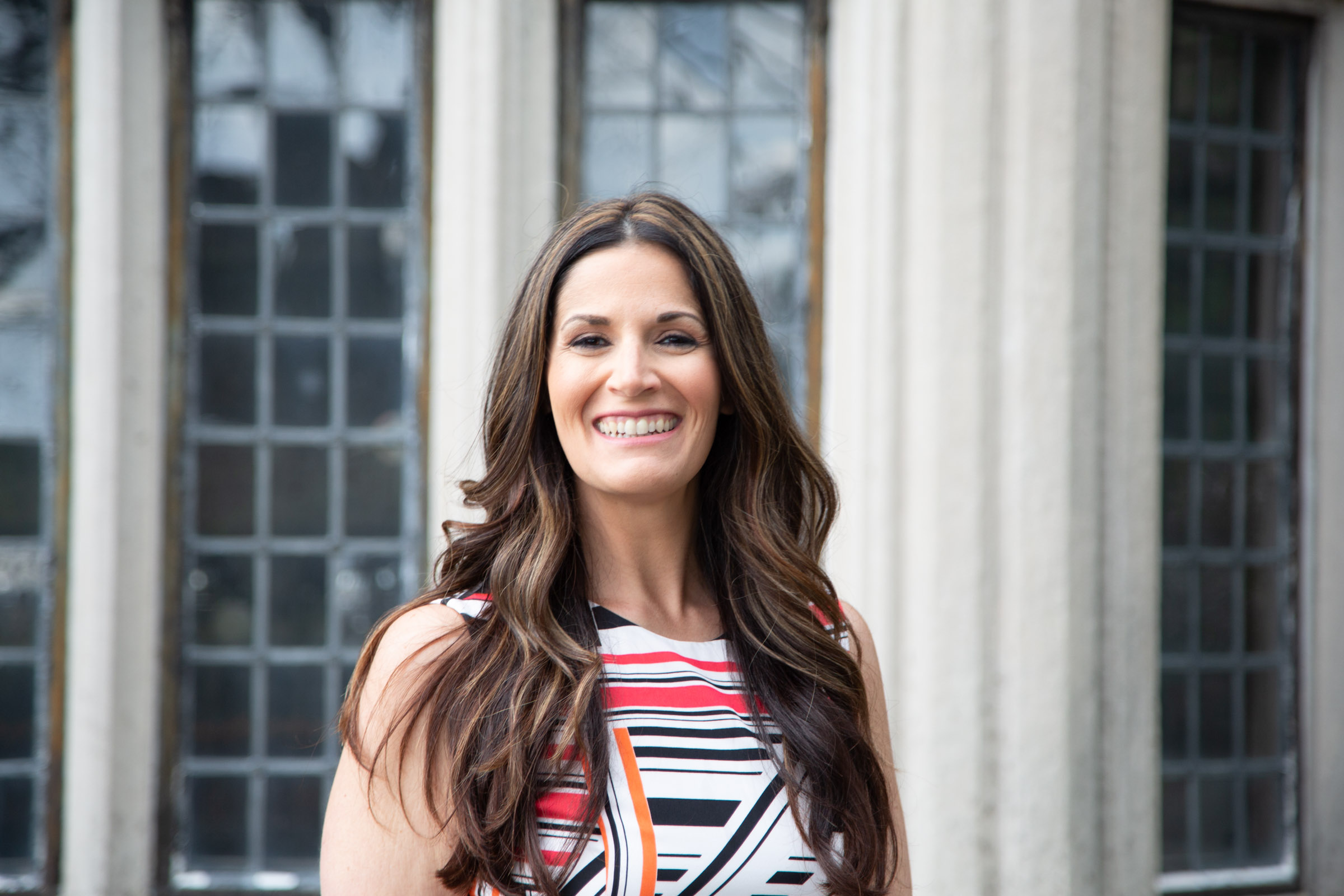
Jaclyn Hunt, ACAS
Jaclyn Hunt is the pioneer of autism life coaching and Head Coach at ASD Life Coaches. She has been coaching autistic and neurodivergent adults since 2013 and is the author of Life Coaching for Adults on the Autism Spectrum. Read full bio →
Navigating the career transition? Our coaches help autistic graduates build confidence and land roles that align with their strengths.
Schedule Your Free ConsultationNeed support with your career transition?
Schedule a free consultation to develop a personalized career strategy that leverages your unique strengths and meets your goals.
Or meet our coaches and explore our coaching services.
Related Articles
Summer College Prep for Autistic Students
How to prepare for the college transition during the summer months.
Understanding Workplace Politics: A Literal Guide for Neurodivergent Professionals
Workplace politics decoded for neurodivergent professionals with concrete, actionable strategies.
What I Wish I Knew Before My First Apartment: Independent Living Tips
Practical tips for autistic adults moving into their first apartment.