When Your Autistic Adult Child Needs More Than Therapy: Understanding Life Coaching
As a parent of an autistic adult, you've likely spent years navigating the therapy landscape. Speech therapy, occupational therapy, behavioral therapy, you've been there, done that, and supported your child through it all. But now that your child has reached adulthood, you might be noticing something: therapy addresses certain challenges, yet significant gaps remain in helping them build the independent, fulfilling life they deserve.
This is where life coaching enters the picture, offering a complementary approach that focuses less on "fixing" deficits and more on building strengths, developing practical skills, and creating personalized strategies for thriving in everyday life.
Understanding the difference between therapy and life coaching is crucial for parents seeking the right support for their autistic adult children. While both are valuable, they serve fundamentally different purposes.
Traditional therapy typically focuses on processing past experiences, managing mental health conditions, addressing trauma, or treating diagnosed disorders. A therapist works within a medical model, often exploring the "why" behind behaviors and emotions. For autistic individuals, therapy might address co-occurring conditions like anxiety or depression, help process sensory challenges, or work through social difficulties from a clinical perspective.
Life coaching, by contrast, is entirely forward-focused. It's about the "how" and "what next." A life coach partners with your adult child to identify goals, develop actionable strategies, build executive functioning skills, and create systems that support success in daily life. Rather than dwelling on limitations, coaching emphasizes capabilities and potential.
Think of it this way: if therapy helps your child understand why social situations feel overwhelming, life coaching helps them develop concrete strategies for navigating those situations successfully. Both are valuable, but they're addressing different needs.
When Life Coaching Makes Sense
Many parents wonder when it's time to consider life coaching for their autistic adult child. Several situations might signal that coaching could be beneficial.
If your child has completed various therapies but still struggles with daily living skills, like managing a schedule, maintaining their living space, or organizing tasks, life coaching can fill this gap. Therapists often don't have the time or training to work on these practical, day-to-day competencies, but these are precisely what life coaches specialize in.
Perhaps your adult child has a job or is in college but struggles with the executive functioning demands these roles require. They might miss deadlines despite understanding the work, struggle with time management, or find it difficult to prioritize tasks. Life coaching provides targeted support for these specific challenges.
You might also notice that your child has goals and dreams but lacks the roadmap to achieve them. They want to live independently, develop friendships, pursue hobbies, or advance in their career, but the steps between here and there feel insurmountable. A life coach breaks down these aspirations into manageable, achievable steps.
Additionally, if your adult child is generally doing well but wants to optimize their life, to move beyond just coping and toward genuinely thriving, coaching offers the support structure for that growth.
What Autism-Informed Life Coaching Looks Like
Not all life coaching is created equal, and when it comes to supporting autistic adults, specialization matters tremendously. Autism-informed life coaching recognizes and respects neurodivergent ways of thinking, processing, and engaging with the world.
An effective autism life coach understands executive functioning challenges intimately. They know that "just use a planner" isn't helpful advice for someone whose brain processes organization differently. Instead, they work collaboratively with your child to discover what systems actually work for their unique neurology, whether that's visual schedules, body doubling, specific apps, or entirely novel approaches.
These coaches also appreciate sensory considerations and energy management. They understand that what looks like procrastination might actually be sensory overload or autistic burnout. They help your child develop routines that respect their sensory needs and energy patterns rather than fighting against them.
Communication style is another crucial element. Autism-informed coaches tend to be direct, clear, and specific in their communication. They don't rely on hints, subtext, or neurotypical social conventions that can be confusing. They're comfortable with conversation styles that might be different from typical coaching relationships.
Perhaps most importantly, these coaches operate from a neurodiversity-affirming perspective. They don't view autism as something to be overcome or masked. Instead, they help your child leverage their autistic strengths, like attention to detail, deep focus, pattern recognition, or systematic thinking, while developing strategies to navigate challenges.
Practical Areas Where Life Coaching Shines
The beauty of life coaching lies in its practical application across multiple life domains that traditional therapy might not directly address.
In the realm of independent living, coaches help autistic adults develop meal planning systems that account for sensory preferences, create cleaning routines that don't lead to overwhelm, manage finances in ways that align with their thinking style, and build sustainable self-care practices.
For career development, life coaching addresses workplace challenges from a practical standpoint. This might include developing communication strategies for interacting with colleagues and supervisors, creating organization systems for work tasks, navigating workplace politics and unwritten social rules, or advocating for necessary accommodations.
Social relationships represent another key area. While therapy might explore feelings about loneliness or social anxiety, life coaching takes a skills-based approach: identifying what kinds of friendships your child actually wants (not what society says they should want), developing strategies for initiating and maintaining connections, and creating scripts or frameworks for common social scenarios.
Executive functioning support is often the heart of autism life coaching. This encompasses time management tailored to how your child's brain actually works, prioritization systems that make sense to them, transition strategies (since shifting between tasks can be particularly challenging for autistic individuals), and decision-making frameworks that reduce overwhelm.
The Partnership Approach
One of the most significant differences between life coaching and many therapeutic relationships is the collaborative partnership model. Your adult child isn't a patient being treated; they're a capable individual working with an expert partner to achieve their goals.
This approach inherently respects your child's autonomy and self-determination. The coach doesn't set the agenda, your child does. The coach doesn't have all the answers, they're discovered together through experimentation and reflection. This empowerment is particularly valuable for autistic adults who may have spent years being told what they need to work on or what's "wrong" with them.
The coaching relationship also tends to be more flexible and responsive than traditional therapy. Sessions might happen in different environments, via video call, through text support between sessions, or even while working on specific tasks together. This flexibility can be particularly helpful for autistic individuals who might find the traditional therapy office setting uncomfortable or unproductive.
Integration, Not Replacement
It's essential to understand that life coaching doesn't replace therapy when therapy is needed. If your adult child is working through trauma, managing significant mental health challenges, or needs clinical intervention, therapy remains crucial. Many autistic adults benefit from having both a therapist and a life coach, each addressing different aspects of their wellbeing and development.
The key is recognizing what each approach offers and ensuring your child has access to the right support at the right time. Some periods of life call for more therapeutic work; others call for coaching-focused skill building. Often, both working in tandem create the most comprehensive support system.
Moving Forward
If you're considering life coaching for your autistic adult child, start by having a conversation with them about their goals and challenges. What do they want to work on? Where do they feel stuck? What would make their daily life more manageable or enjoyable?
Look for coaches who specifically mention autism or neurodivergence in their specialties, ask about their understanding of autism and their coaching philosophy, inquire about their approach to executive functioning and practical life skills, and request information about their session structure and communication style.
Remember, your role as a parent is evolving. Your adult child is the primary decision-maker in their support team. Life coaching can provide the bridge between therapeutic support and independent thriving, helping your autistic adult child build the skills, systems, and confidence they need to create a life that works for them, not one that simply conforms to neurotypical expectations.
The goal isn't to make your child less autistic. It's to help them become more fully themselves, equipped with the tools and strategies to navigate the world on their own terms. That's what great autism-informed life coaching can offer: not a cure, but a pathway to genuine flourishing.
About the Author
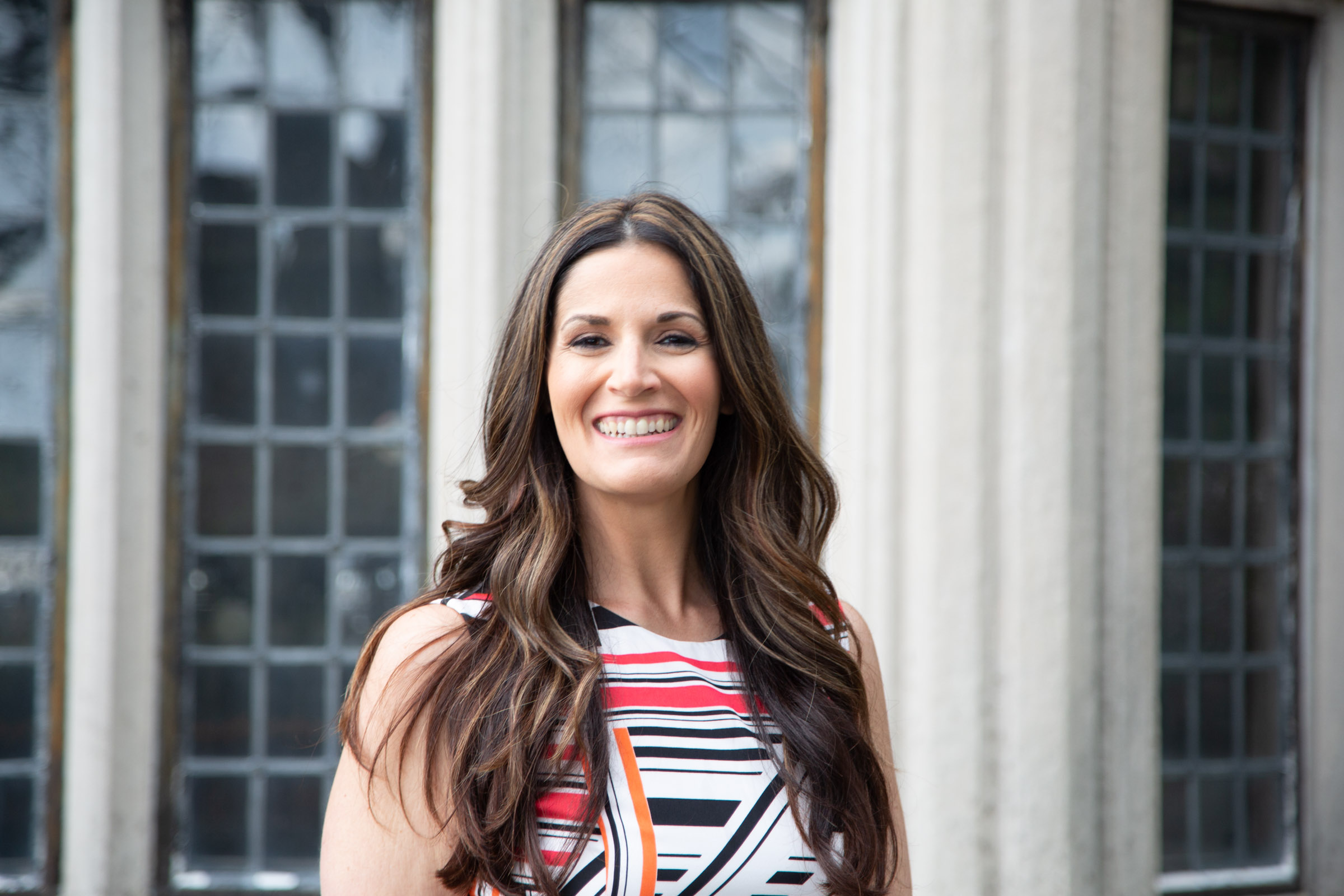
Jaclyn Hunt, ACAS
Jaclyn Hunt is the pioneer of autism life coaching and Head Coach at ASD Life Coaches. She has been coaching autistic and neurodivergent adults since 2013 and is the author of Life Coaching for Adults on the Autism Spectrum. Read full bio →
Wondering if life coaching could help your adult child? We specialize in exactly this kind of support.
Schedule Your Free ConsultationIs life coaching right for your adult child?
Schedule a free consultation to learn how autism-informed life coaching can complement therapy and build practical life skills.
Or meet our coaches and explore our coaching services.
Related Articles
What I Wish I Knew Before My First Apartment: Independent Living Tips
Practical tips for autistic adults moving into their first apartment.
Why Do Autistic Adults Struggle with Executive Functioning?
Learn about executive functioning challenges in autism and how targeted coaching builds lasting skills.
Creating a Low-Demand Lifestyle as an Autistic Adult
Learn how autistic adults can build a low-demand lifestyle that reduces overwhelm and burnout by lowering sensory, socia