Aphantasia and Autism: Understanding Differences in Mental Imagery
When people are asked to “picture this,” many assume everyone’s mind creates mental images in the same way. For some individuals, however, mental images do not appear at all. This experience is known as aphantasia, and it is increasingly being discussed within autistic communities.
For many autistic adults, learning about aphantasia provides clarity around long-standing differences in learning, memory, emotional processing, and therapy experiences. Understanding the connection between aphantasia and autism helps replace confusion with self-understanding and self-advocacy.
What Is Aphantasia?
Aphantasia exists on a spectrum. Some people experience a complete absence of mental imagery, while others experience faint or inconsistent images. Importantly, aphantasia is not a disorder, a lack of imagination, or a cognitive deficit.
Is Aphantasia More Common in Autistic People?
Research into aphantasia is still emerging, but current evidence and lived experience suggest that aphantasia may be more common among autistic individuals than in the general population.
Autistic cognition often emphasizes:
Conceptual or logical thinking
Detail-focused processing
Language-based reasoning
Bottom-up information processing
Because of this, many autistic adults report thinking primarily in words, systems, or internal dialogue rather than pictures. When visualization is assumed to be universal, these differences can be overlooked or misunderstood.
How Aphantasia Affects Autistic Adults
Memory and Recall
Autistic adults with aphantasia often remember events as facts, sequences, or narratives rather than visual scenes. They may recall what happened or what was said, but not what it looked like. This difference does not indicate poor memory, it instead reflects a different memory style.
Learning and Education
Many educational strategies rely heavily on visual learning, such as mind maps, mental imagery, or visualization techniques. For autistic students with aphantasia, these approaches may be ineffective. Clear written instructions, step-by-step explanations, and concrete examples are often far more accessible.
Therapy and Coaching
Traditional therapy frequently uses visualization-based techniques such as:
“Picture your safe place”
“Visualize your future self”
Guided imagery and meditation
For autistic adults with aphantasia, these methods can feel confusing or invalidating. The challenge is not resistance, but rather, it is a neurological mismatch. Neurodiversity-affirming coaching and therapy should offer alternatives that do not rely on mental imagery.
Emotional Processing
Some autistic adults with aphantasia process emotions cognitively rather than visually. Feelings may be understood through reflection, language, or bodily awareness rather than through mental images. This difference is sometimes misinterpreted as emotional distance when it is not.
Aphantasia and Creativity: Breaking the Myth
A common misconception is that aphantasia means a lack of imagination or creativity. In reality, imagination does not depend on mental imagery.
Creativity can be:
Linguistic
Conceptual
Musical
Mathematical
Kinesthetic
Emotional without imagery
Many writers, artists, engineers, and innovators have aphantasia. Creativity simply follows a different cognitive pathway.
Why Understanding Aphantasia Matters for Autism Support
For many autistic adults, discovering aphantasia explains experiences such as:
Struggling with visualization-based therapy
Feeling disconnected during mindfulness or meditation exercises
Confusion when others describe vivid mental images
Learning best through structure rather than imagery
Understanding aphantasia and autism reduces self-blame and supports better accommodations, communication, and self-advocacy.
Supporting Autistic Adults with Aphantasia
Effective support starts with flexibility and curiosity rather than assumptions.
Helpful approaches include:
Using clear, concrete language
Avoiding reliance on visualization alone
Offering multiple learning and processing options
Respecting cognitive differences without pathologizing them
When support is aligned with how a person’s brain actually works, growth becomes more sustainable and meaningful.
Final Thoughts on Aphantasia and Autism
Aphantasia is not something to fix, it is a variation in human cognition. For autistic adults, recognizing and honoring this difference can be empowering.
When autistic people are supported in ways that respect their natural cognitive styles, they are better able to navigate relationships, learning, emotional awareness, and daily life. Understanding aphantasia is one more step toward a more inclusive, neurodiversity-affirming world.
About the Author
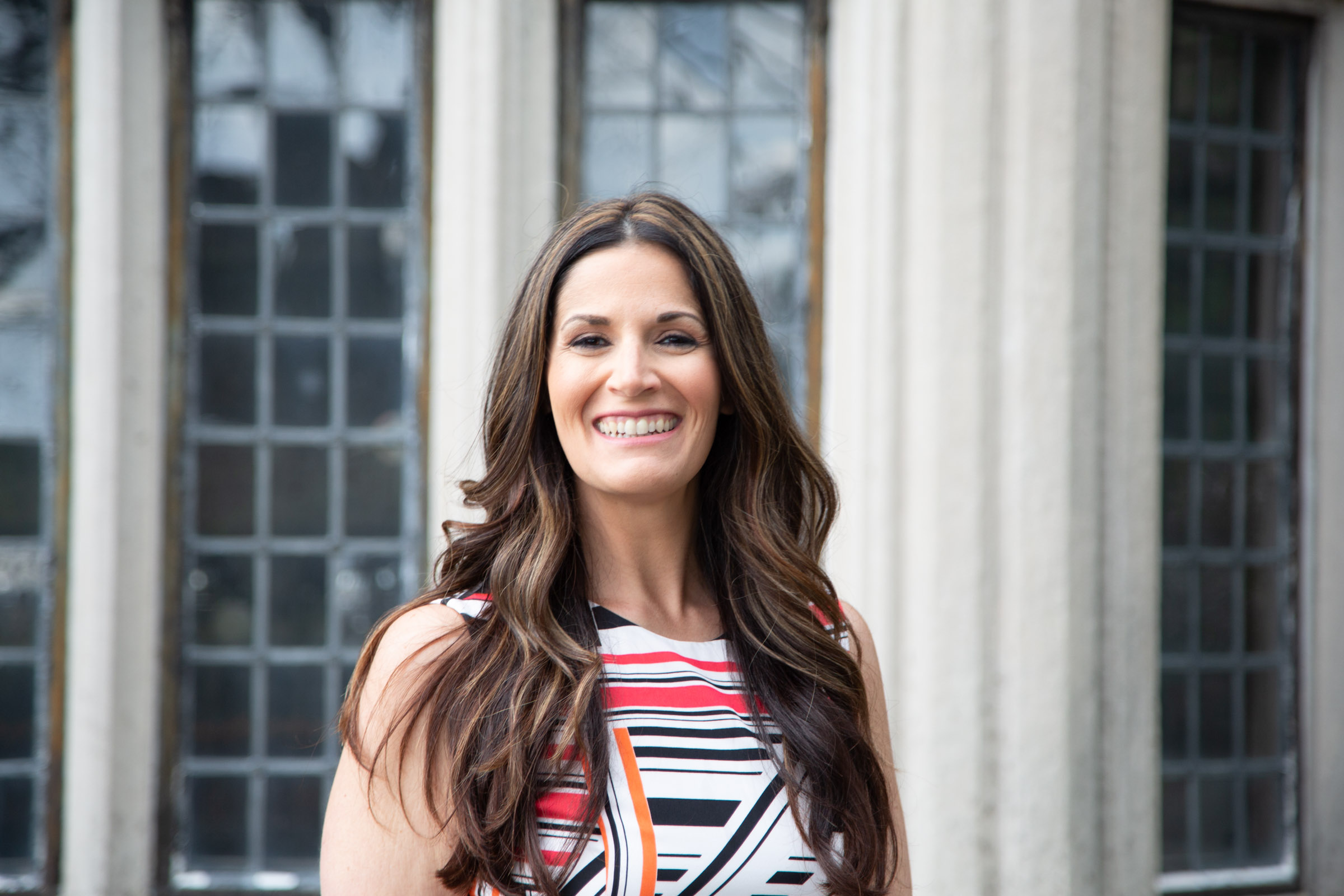
Jaclyn Hunt, ACAS
Jaclyn Hunt is the pioneer of autism life coaching and Head Coach at ASD Life Coaches. She has been coaching autistic and neurodivergent adults since 2013 and is the author of Life Coaching for Adults on the Autism Spectrum. Read full bio →
Do traditional visualization techniques fall flat for you? Our coaches use alternative approaches tailored to how your brain actually works.
Schedule Your Free ConsultationReady for coaching that fits how your mind works?
Schedule a free consultation to explore neurodiversity-affirming coaching that respects your unique cognitive style.
Or meet our coaches and explore our coaching services.
Related Articles
Understanding Alexithymia: When Emotions Don't Have Words
Many autistic adults experience alexithymia, difficulty identifying and expressing emotions. Learn what it is and how coaching can help.
Exploring Alexithymia
Understanding emotional awareness challenges and how coaching can help navigate them.
Understanding Workplace Politics: A Literal Guide for Neurodivergent Professionals
Workplace politics decoded for neurodivergent professionals with concrete, actionable strategies.