Understanding Workplace Politics: A Literal Guide for Neurodivergent Professionals
Workplace politics often feels like a frustrating game with unwritten rules that everyone else seems to understand instinctively. For neurodivergent professionals, particularly those with autism, ADHD, or other neurological differences, navigating these invisible social dynamics can be exhausting and confusing. This guide breaks down workplace politics into concrete, actionable strategies that make sense without requiring you to fundamentally change who you are.
When people say "workplace politics," they're not talking about elections or government. They're referring to the informal social systems that influence decisions, relationships, and power dynamics in professional settings. Think of it as the difference between the official org chart and how things actually get done.
Workplace politics includes who has influence beyond their job title, which relationships affect project approvals, how credit gets distributed, and whose opinions carry more weight in meetings. It's not inherently bad or manipulative, though it can be. At its core, workplace politics is simply the human side of professional environments.
For neurodivergent professionals, the challenge isn't that you're incapable of understanding these dynamics. The challenge is that neurotypical workplace culture often relies on implicit communication, unstated expectations, and social cues that aren't explicitly taught. You're navigating a system designed without your communication style in mind.
Decoding Common Workplace Political Scenarios
Let's translate some typical political situations into literal terms.
When someone says "let's take this offline," they're not being mysterious. They mean one of three things: this conversation is taking too long for this meeting's agenda, this topic is creating tension that needs private discussion, or this decision needs input from people not present. You can clarify by asking, "Should I schedule time with you this week to continue this conversation?"
When colleagues suggest you "build relationships" with certain people, they mean you should have occasional non-work conversations, remember details people share about themselves, and create opportunities for collaboration. This doesn't require becoming friends. It means making yourself a familiar, reliable presence rather than an unknown entity.
Practical Strategies That Work for Neurodivergent Minds
When you need clarification on vague instructions, try this approach: "I want to make sure I deliver exactly what you need. When you say [vague instruction], does that mean [specific interpretation A] or [specific interpretation B]?" This demonstrates initiative while getting the clarity you need.
Reframing Workplace Politics as a Learnable System
Workplace politics isn't a mysterious social game you're inherently bad at. It's a system with learnable patterns, like any other professional skill. You don't need to become neurotypical or fake a personality. You need information, strategies, and practice.
Your neurodivergent traits often include valuable professional strengths: attention to detail, consistent work quality, creative problem-solving, honest communication, and deep expertise in your areas of interest. These matter tremendously. Workplace politics skills simply help ensure your excellent work gets recognized and rewarded appropriately.
Start small. Pick one strategy from this guide and implement it this month. Notice what happens. Adjust based on results. Workplace politics is about incremental learning, not overnight transformation.
Remember that many neurotypical colleagues also struggle with workplace politics. They might hide it better or have slightly easier access to implicit rules, but nearly everyone finds these dynamics challenging sometimes. You're not fundamentally deficient. You're learning to operate in a system that wasn't designed with your communication style as the default, which requires extra effort but is absolutely achievable.
The goal isn't to become someone you're not. The goal is to build enough political awareness that you can focus your energy on the work you actually care about, advance in your career, and experience less confusion and frustration in your professional life. That's worth the effort.
About the Author
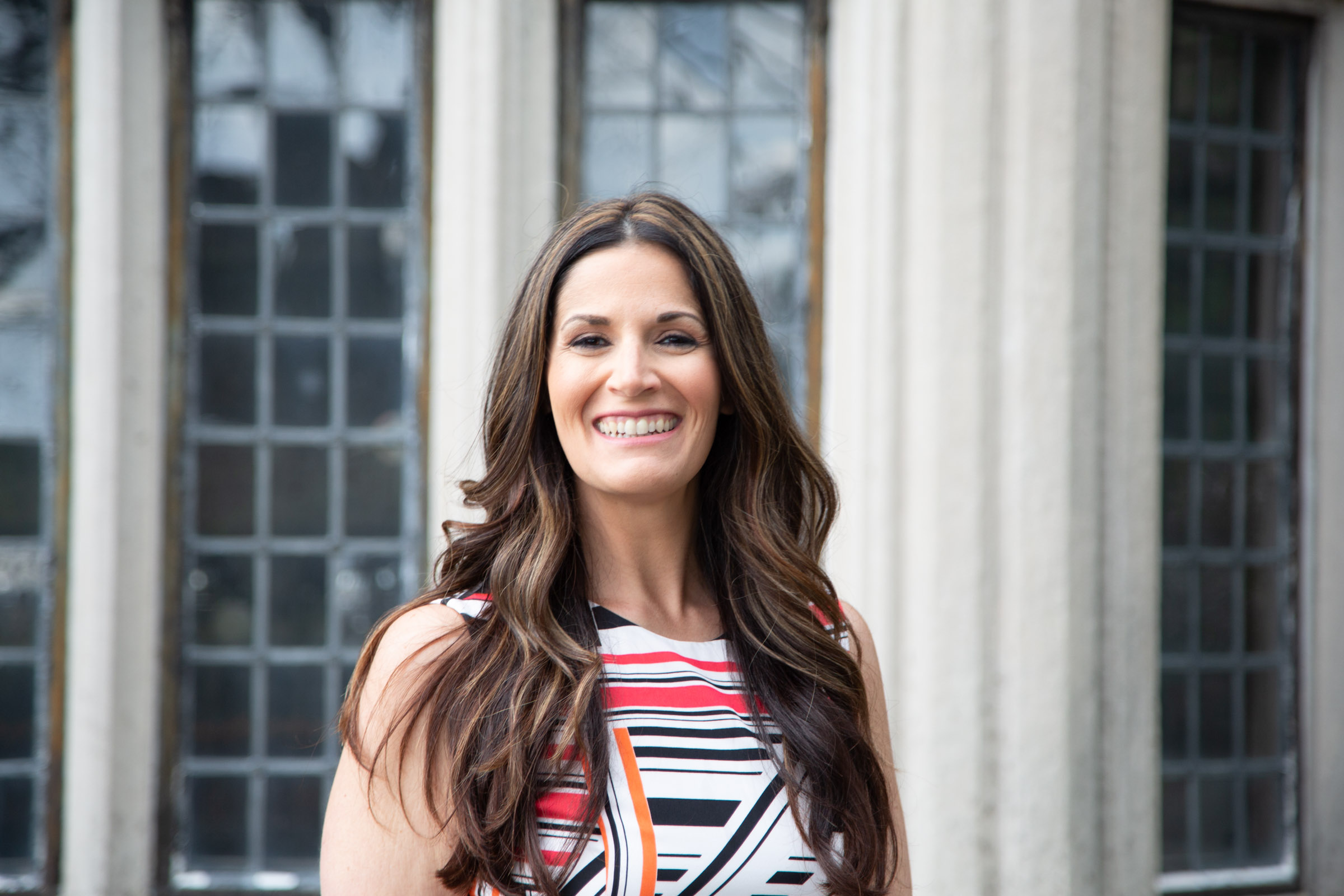
Jaclyn Hunt, ACAS
Jaclyn Hunt is the pioneer of autism life coaching and Head Coach at ASD Life Coaches. She has been coaching autistic and neurodivergent adults since 2013 and is the author of Life Coaching for Adults on the Autism Spectrum. Read full bio →
Struggling with unwritten workplace rules? Our coaches help you decode professional dynamics without changing who you are.
Schedule Your Free ConsultationNeed help navigating workplace dynamics?
Schedule a free consultation to develop practical strategies for professional success as a neurodivergent professional.
Or meet our coaches and explore our coaching services.
Related Articles
Workplace Communication Strategies
Practical tips for improving workplace communication as a neurodivergent professional.
Supporting Your Neurodivergent Employee: What Managers Get Wrong
What managers often misunderstand about neurodivergent employees and how to create truly supportive workplaces.
Aphantasia and Autism: Understanding Differences in Mental Imagery
Learn how aphantasia and autism overlap, how mental imagery differences affect memory, learning, and therapy.