5 Budgeting Systems That Actually Work for Autistic Adults
Managing money can feel overwhelming for anyone, but autistic adults often face unique challenges when it comes to budgeting. Executive function differences, sensory sensitivities to certain financial tasks, difficulty with abstract concepts, and the need for clear structure can make traditional budgeting advice feel inaccessible or frustrating.
The good news? There are budgeting systems specifically suited to autistic thinking styles that emphasize visual clarity, predictable routines, and concrete rules. These approaches work with your brain, not against it. Let's explore five budgeting methods that actually make sense for autistic adults.
The envelope system is a classic budgeting method that works exceptionally well for autistic adults because it's concrete, visual, and categorical. Instead of tracking abstract numbers in your head, you can literally see your money divided into categories.
2. The Percentage-Based Autopilot Budget
If you thrive on rules and predictability, a percentage-based budget might become your financial lifeline. This system uses fixed percentages to automatically distribute your income, eliminating daily decision-making.
3. The Zero-Based Budget with Templates
Zero-based budgeting means giving every single dollar a specific job until you reach zero dollars unassigned. While this sounds complex, using templates makes it manageable and even comforting for autistic adults who appreciate thoroughness.
4. The Separate Accounts System
Sometimes the best budgeting system is one that removes the need for tracking altogether by physically separating your money into different accounts based on purpose.
Account 1 (Bills): Automatically receives money for rent, utilities, insurance, subscriptions
Account 2 (Daily spending): Gets weekly or bi-weekly allowances for groceries, gas, coffee
Account 3 (Emergency fund): Receives automatic savings transfers
Account 4 (Fun money): Holds truly discretionary spending for hobbies and entertainment
5. The Visual Dashboard Budget
For autistic adults who are highly visual thinkers, a dashboard-style budget that displays financial information graphically can transform budgeting from a dreaded chore into an engaging system.
Finding Your System
The most important thing to understand about budgeting as an autistic adult is that there's no single "right" way to do it. The budget that actually works is the one you'll actually use consistently.
Consider your personal strengths: Do you think in pictures or numbers? Do you prefer detailed control or automated simplicity? Are you motivated by rules and systems, or by visual progress? Does handling physical cash create sensory issues, or does it help make money feel more concrete?
You might even combine elements from multiple systems. Perhaps you use the separate accounts method for your fixed expenses, but track variable spending with a visual dashboard. Or maybe you follow percentage-based rules but implement them through a digital envelope system.
Give yourself permission to experiment. Try one system for two to three months before deciding if it works. Autistic brains often need time to establish new routines, so short trials won't give you accurate information about whether a system truly fits.
Remember that budgeting is a tool to support your life, not a test you can fail. If a system creates more stress than it relieves, it's the wrong system for you, not evidence that you're bad with money. The right budgeting approach will feel clarifying rather than confining, and will work with your autistic brain rather than against it.
About the Author
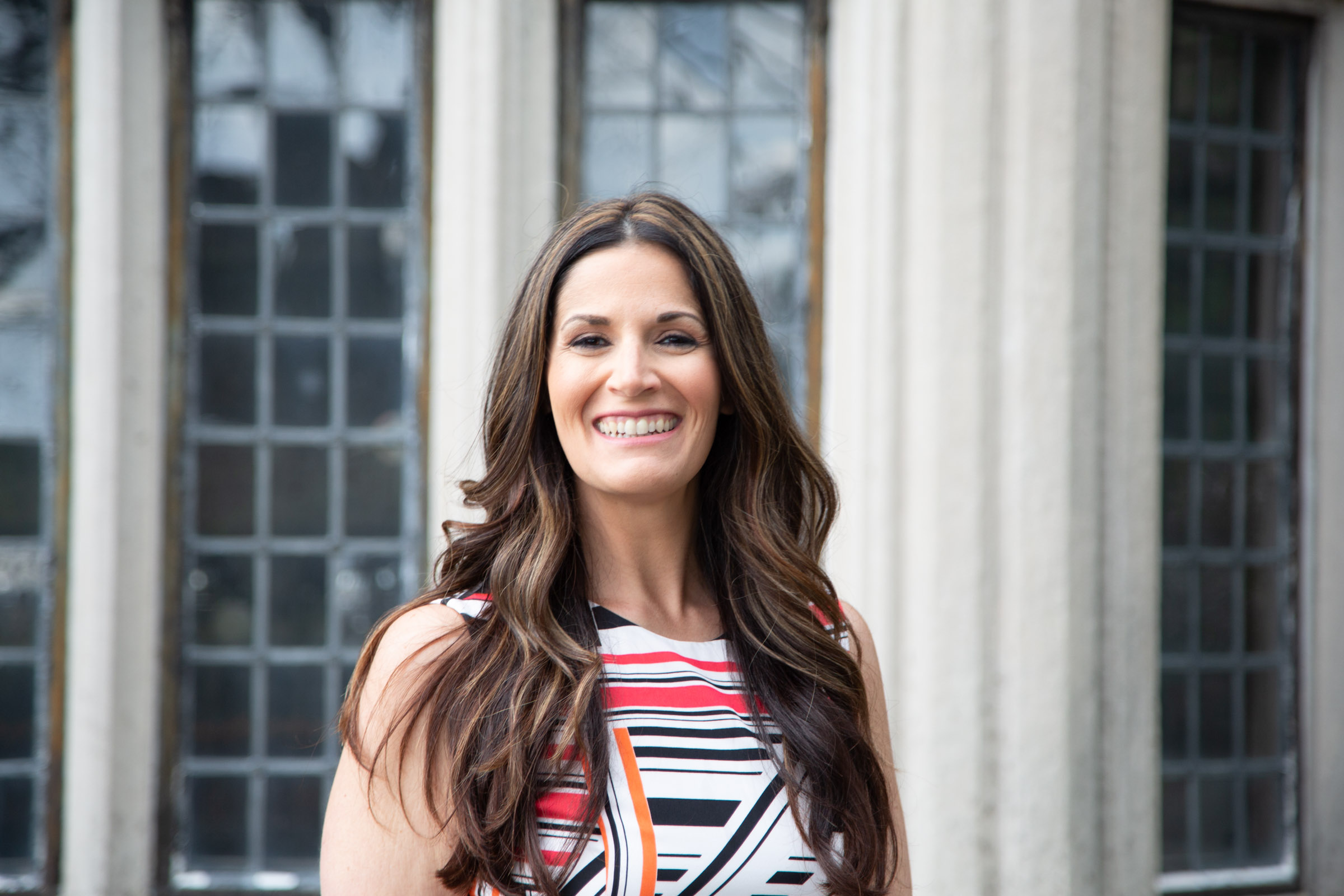
Jaclyn Hunt, ACAS
Jaclyn Hunt is the pioneer of autism life coaching and Head Coach at ASD Life Coaches. She has been coaching autistic and neurodivergent adults since 2013 and is the author of Life Coaching for Adults on the Autism Spectrum. Read full bio →
Need help building a budgeting system that works with your brain? Our coaches specialize in executive functioning strategies for autistic adults.
Schedule Your Free ConsultationWant a budgeting system that actually sticks?
Schedule a free consultation to explore personalized financial strategies designed for your autistic brain.
Or meet our coaches and explore our coaching services.
Related Articles
Can Coaching Help Autistic Adults Live Independently?
Discover how autism life coaching helps autistic adults gain independence and develop executive functioning skills.
Why Do Autistic Adults Struggle with Executive Functioning?
Learn about executive functioning challenges in autism and how targeted coaching builds lasting skills.
The Real Reason You Keep Avoiding Important Tasks
Discover the real reasons neurodivergent adults avoid important tasks, why willpower isn't the issue, and practical stra