Introduction to Cognitive Coaching for Adults with Autism
For years, Sarah felt like she was living in a world with unwritten rules everyone else seemed to understand intuitively. As a successful software engineer, she excelled at logical problem-solving but struggled with workplace politics, unexpected changes to her routine, and the exhausting effort of masking her authentic self during meetings. When she finally received an autism diagnosis at age 34, everything clicked into place. Still, she needed support navigating a neurotypical world while honoring her newly realized neurodivergent brain.
This is where cognitive coaching comes in.
As coaches, we have a unique opportunity to support autistic adults in ways traditional therapy often doesn't address. While autism affects approximately 1-2% of the adult population, many weren't diagnosed until adulthood and have spent decades developing compensatory strategies that, while functional, often come at significant personal cost. Cognitive coaching offers these individuals a partnership focused on growth, self-advocacy, and building lives aligned with their authentic selves rather than societal expectations.
Autism is a neurodevelopmental difference characterized by variations in social communication, sensory processing, and patterns of thinking and behavior. However, the clinical definition only scratches the surface of the lived experience.
Autistic adults often possess remarkable strengths: intense focus and dedication to areas of interest, pattern recognition abilities, creative problem-solving approaches, loyalty and authenticity in relationships, and attention to detail that others miss. Yet they may also face challenges with executive functioning, sensory overwhelm, social energy management, and navigating ambiguous social situations.
The key insight for coaches is this: autism isn't something to fix. It's a different operating system that deserves to be understood, optimized, and celebrated. Your role isn't to make autistic clients more neurotypical, but to help them thrive as their authentic selves.
Why Cognitive Coaching Works for Autistic Adults
Cognitive coaching is particularly effective for autistic individuals because it aligns beautifully with how many autistic minds naturally work. The structured, goal-oriented nature of coaching provides clarity in a world that often feels ambiguous. The explicit communication style removes exhausting guesswork. The focus on practical strategies honors the autistic preference for concrete action steps.
Unlike therapy, which often focuses on past trauma or diagnosis-related deficits, coaching is future-focused and strengths-based. It acknowledges that autistic adults are capable, intelligent individuals who benefit from partnership rather than prescription. This distinction matters profoundly to clients who have spent their lives being told, implicitly or explicitly, that they need to be "fixed."
Cognitive coaching also recognizes that autistic adults face unique cognitive challenges worth addressing directly. Executive dysfunction might make task initiation difficult despite strong ability to complete work once started. Decision fatigue from constant social calculation can leave little energy for personal goals. Rigid thinking patterns might create barriers to adapting when circumstances change. A skilled coach helps clients recognize these patterns and develop personalized strategies that work with their brain, not against it.
Core Principles for Coaching Autistic Clients
Practical Coaching Strategies
Common Coaching Topics
Your autistic clients may seek support with career navigation, particularly around disclosing autism to employers or finding work environments that honor their needs. They might work on relationship skills while staying authentic, rather than performing a neurotypical version of intimacy. Executive function challenges around organization, time management, or task completion frequently arise. Many seek help managing burnout from years of masking or operating in unsustainable ways.
Some clients want to explore their identity post-diagnosis, processing years of feeling different and integrating their autism into their self-concept. Others focus on practical life skills like financial management, healthcare navigation, or maintaining living spaces which are tasks that can be genuinely challenging when executive dysfunction is present.
The Transformative Potential
When coaching honors neurodiversity while providing practical support, autistic adults can experience profound shifts. They stop trying to be less autistic and start optimizing for being successfully autistic. They develop self-compassion for their differences rather than shame. They build lives structured around their authentic needs rather than neurotypical expectations.
The coach-client relationship itself becomes a model for what authentic connection can look like. One where differences are named, accommodations are normalized, and growth happens without requiring fundamental change to who someone is.
As coaches, we have the privilege of walking alongside autistic adults as they discover that thriving doesn't require becoming someone else. It requires becoming more fully, unapologetically themselves, and then building lives and strategies that honor that truth.
That's not just coaching. That's transformation.
About the Author
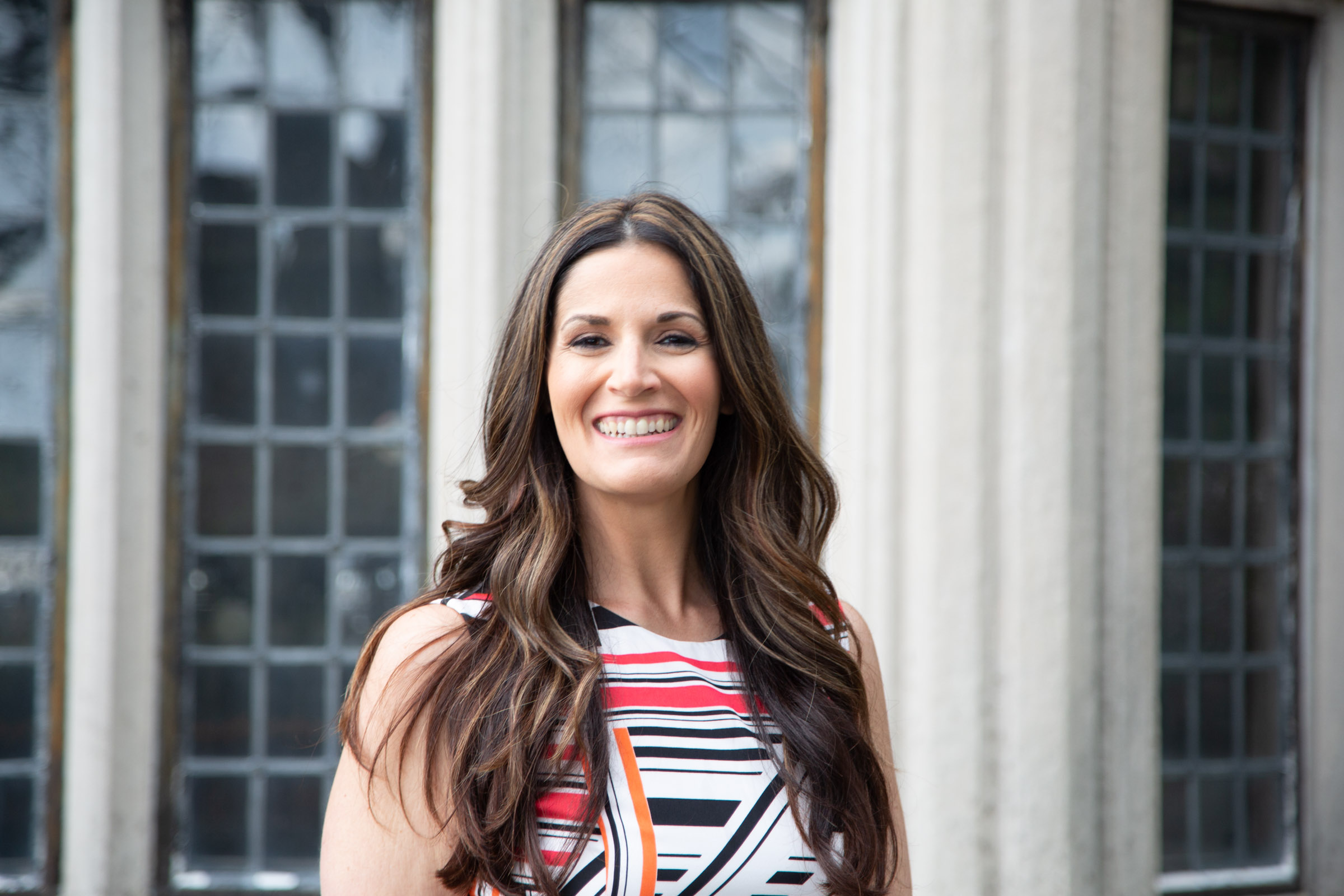
Jaclyn Hunt, ACAS
Jaclyn Hunt is the pioneer of autism life coaching and Head Coach at ASD Life Coaches. She has been coaching autistic and neurodivergent adults since 2013 and is the author of Life Coaching for Adults on the Autism Spectrum. Read full bio →
Cognitive coaching is at the heart of what we do. Want to experience it firsthand?
Schedule Your Free ConsultationWant to try cognitive coaching?
Schedule a free consultation to learn how cognitive coaching can help you develop new thinking patterns and achieve your personal goals.
Or meet our coaches and explore our coaching services.
Related Articles
Cognitive Coaching for Personal Growth
Explore how cognitive coaching techniques support personal development and self-awareness.
Aphantasia and Autism: Understanding Differences in Mental Imagery
Learn how aphantasia and autism overlap, how mental imagery differences affect memory, learning, and therapy.
Understanding Alexithymia: When Emotions Don't Have Words
Many autistic adults experience alexithymia, difficulty identifying and expressing emotions. Learn what it is and how coaching can help.