Supporting Your Neurodivergent Employee: What Managers Get Wrong
As workplaces become more aware of neurodiversity, many managers are trying to be more inclusive. But good intentions don't always translate to good support. Despite growing awareness, many well-meaning managers still fall into common traps that can make work harder, rather than easier, for neurodivergent employees.
Neurodivergent individuals, including those with ADHD, autism, dyslexia, dyspraxia, and other neurological differences, bring unique strengths to the workplace. Yet traditional management approaches often inadvertently create barriers to their success. Understanding what goes wrong is the first step toward creating truly supportive environments where all employees can thrive.
7 Common Mistakes Managers Make
Assuming One Size Fits All
The mistake: Treating neurodiversity as a single category with universal solutions. After attending one workshop, a manager might implement the same strategies for everyone.
The reality: Even within the same diagnosis, individual needs vary wildly. Two people with ADHD can have completely different work styles, challenges, and support needs.
Better approach: Approach each employee as an individual and ask them directly what works best for them.
Making Assumptions About Capabilities
The mistake: Avoiding assigning client-facing work to an autistic employee or hesitating to promote someone with ADHD to leadership.
The reality: Many autistic individuals excel in client relationships when they can be authentic and direct. Many people with ADHD make exceptional leaders.
Better approach: Focus on actual performance and expressed preferences rather than stereotypes.
Confusing Accommodation with Special Treatment
The mistake: Resisting accommodations because of fairness concerns or fear of setting precedents.
The reality: Accommodations aren't perks, they're adjustments that level the playing field. An employee who needs written agendas isn't getting an advantage.
Better approach: Many accommodations that help neurodivergent employees improve workplace culture for everyone.
Forcing Masking and Conformity
The mistake: Giving feedback that essentially asks employees to appear more neurotypical: "Make more small talk" or "Seem more enthusiastic."
The reality: Masking is exhausting and unsustainable. It asks employees to perform neurotypicality rather than focusing on actual work quality.
Better approach: Focus on outcomes rather than performative behaviors. Does it matter if an employee doesn't make small talk if their work is excellent?
Overlooking Sensory and Environmental Needs
The mistake: Treating the open-plan office as fixed and asking neurodivergent employees to simply adapt.
The reality: An employee struggling with concentration might not need time management training, they might need a quieter workspace.
Better approach: Allow flexible seating, quiet spaces, noise-canceling headphones, adjusted lighting, or remote work options.
Focusing Only on Deficits
The mistake: Performance reviews focus disproportionately on areas of difficulty, framing neurodivergence as a problem to overcome.
The reality: Neurodivergent individuals bring exceptional abilities: deep focus, innovative problem-solving, attention to detail, pattern recognition, creative thinking.
Better approach: Take a strengths-based approach, identify what each employee does exceptionally well and create opportunities to apply those strengths.
Not Providing Clear, Specific Communication
The mistake: Instructions filled with ambiguity, implied expectations, and unstated assumptions. "Get this done soon" or "Take the lead."
The reality: Neurodivergent employees often excel when given clear, specific information, exact deadlines, explicit priorities, written confirmation.
Better approach: Provide clear success criteria, direct feedback rather than hints, and written confirmation of verbal discussions.
Moving Forward: A Better Approach
Supporting neurodivergent employees effectively requires moving beyond assumptions and one-size-fits-all solutions. It means:
- Having direct conversations about individual needs
- Creating flexible systems that work for different brains
- Focusing on outcomes rather than performative professionalism
- Recognizing neurodiversity as a source of strength, not just challenge
The most important step is simple: ask your employees what they need, listen to their answers, and trust them as experts on their own experiences. Partnership, not prescription, creates truly supportive workplaces.
When managers get it right, everyone benefits. Neurodivergent employees can contribute their best work, teams gain from diverse perspectives and approaches, and organizational culture becomes more inclusive, flexible, and human. That's not special treatment, that's just good management.
Key Takeaways for Managers
- Ask each employee individually what they need, don't assume
- Accommodations aren't special treatment, they're equitable access
- Focus on outcomes and results, not neurotypical performance norms
- Lead with strengths, not deficits
- Clear communication benefits everyone, it's just good management
About the Author
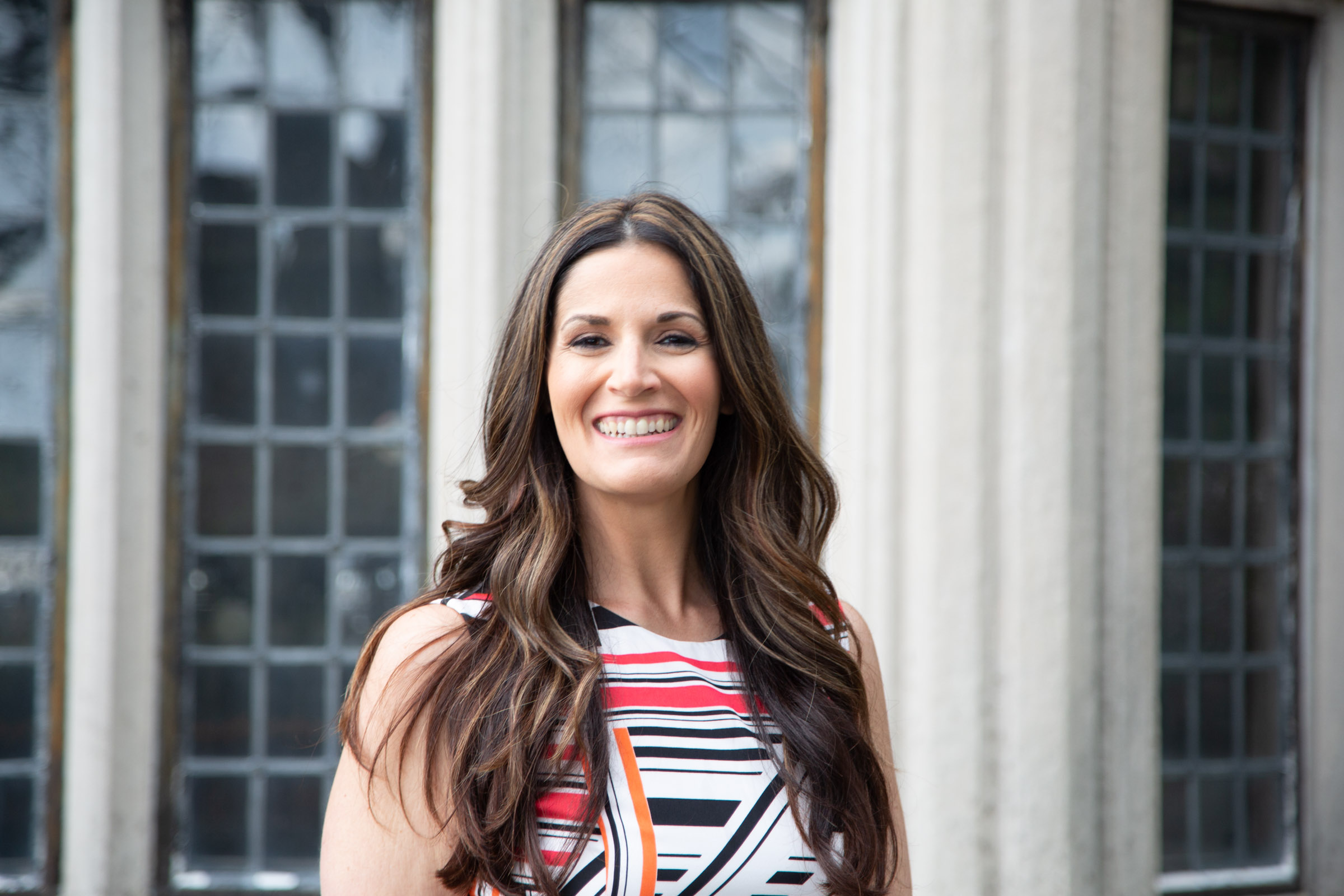
Jaclyn Hunt, ACAS
Jaclyn Hunt is the pioneer of autism life coaching and Head Coach at ASD Life Coaches. She has been coaching autistic and neurodivergent adults since 2013 and is the author of Life Coaching for Adults on the Autism Spectrum. Read full bio →
We offer professional consultation for managers and organizations looking to better support neurodivergent employees.
Schedule Your Free ConsultationNeed workplace consultation?
We offer professional consultation to help managers and teams create inclusive environments for neurodivergent employees.
Or meet our coaches and explore our coaching services.